Español
 عربى
عربى
 Deutsch
 русский
 Français

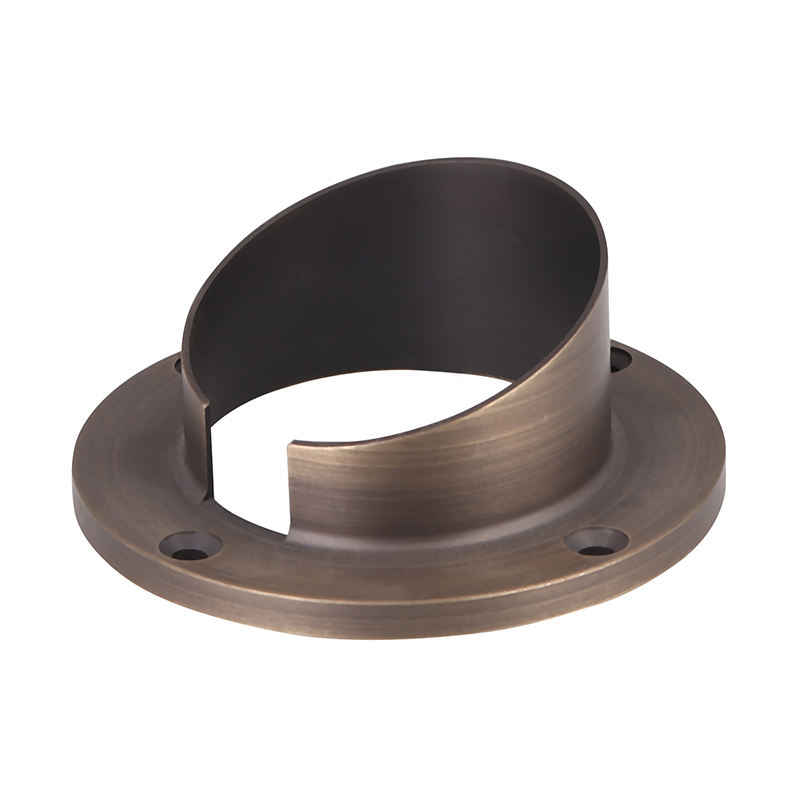
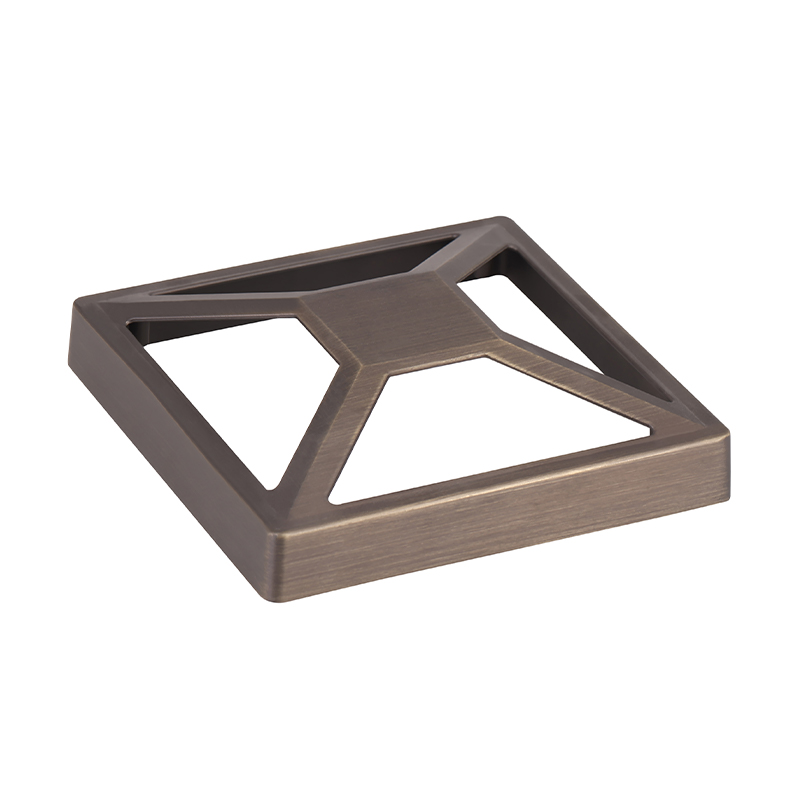
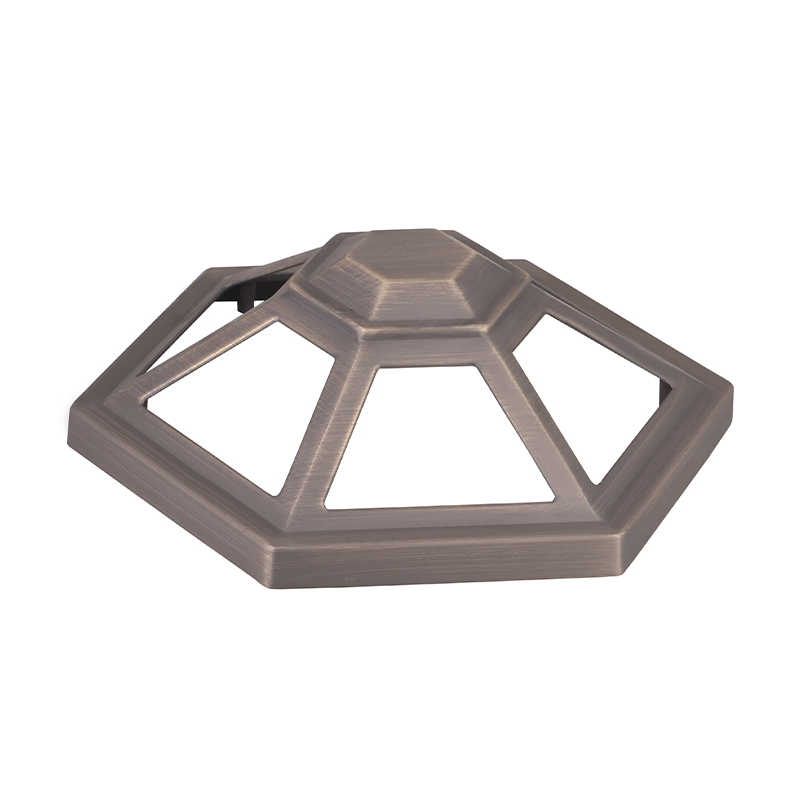
Landscape ground lights with brass lampshades represent a premium category within outdoor architectural lighting, combining the warmth and visual character of solid brass metalwork with the durability and corrosion resistance that exterior installation demands. These fixtures are flush or near flush with the ground surface, directing light upward to illuminate trees, architectural features, garden paths, or building facades in a way that is both aesthetically refined and functionally effective. The brass lampshade component serves a purpose beyond decoration: it controls the distribution of light, protects the light source from precipitation and debris, and introduces the warm tonal qualities of brass into the visual composition of the illuminated landscape.
The direct answer for anyone selecting a landscape ground light with a brass lampshade is this: the brass lampshade must be specified as either solid cast brass or brass plated steel, with solid cast brass being the correct long term specification for any permanent installation where consistent appearance and structural integrity must be maintained without the delamination and surface degradation that affect plated alternatives after several years of outdoor exposure. The lampshade design, whether open topped, louvered, directional, or diffusing, must be matched to the specific lighting objective of the installation, and the ingress protection (IP) rating of the complete fixture must be appropriate for the level of ground level moisture, flooding risk, and direct water contact the installation is likely to experience. This article covers all of these dimensions in full practical depth.
Why Brass Is the Premium Material Choice for Landscape Ground Light Lampshades
Brass, an alloy of copper and zinc in varying proportions, has been used in outdoor architectural hardware for centuries because its combination of corrosion resistance, machinability, and warm visual character is unmatched by other common metals at similar cost. In the context of landscape lighting lampshades, these properties translate into specific performance advantages that explain why brass commands a premium position in the market.
Corrosion Resistance and Natural Patina Development
Brass in outdoor environments undergoes a predictable oxidation process that progressively converts the bright golden surface to the brownish green or dark brown patina associated with aged copper alloys. This patina is not corrosion in the structural sense: it is a stable, adherent surface layer of copper carbonates and oxides that actually protects the underlying metal from further atmospheric attack. Solid cast brass lampshades in quality landscape ground lights develop their protective patina within 6 to 24 months of outdoor installation, after which the rate of surface change slows dramatically, and the fixture maintains its structural integrity and dimensional stability for service lives of 30 to 50 years without replacement.
For installations where the designer or owner wishes to maintain the bright golden appearance of new brass, lacquer coatings can be applied to the lampshade surface to slow patina development, though these coatings require periodic renewal and their presence can become visually uneven as they wear. Many landscape lighting designers prefer to allow natural patina development because the aged brass tones integrate more harmoniously with the greens, browns, and earth tones of landscape planting than the bright golden finish of new unlacquered brass.
Thermal Properties and Heat Management
Landscape ground lights installed in vehicular or pedestrian circulation areas must withstand occasional physical contact, and the lampshade material must conduct heat away from the light source efficiently enough to prevent surface temperatures that would cause burns on contact or damage to adjacent landscape elements. Brass has a thermal conductivity of approximately 109 W/m/K, significantly higher than stainless steel (15 W/m/K) or aluminum free cast iron alternatives, which means a brass lampshade actively conducts heat away from the internal lamp compartment and distributes it across its surface area. This thermal conductance allows brass lampshades to operate at lower peak surface temperatures than equivalent fixtures with less conductive shade materials, which is relevant for safety compliance with IEC 60598 surface temperature limits for accessible luminaire surfaces.
Visual Warmth and Optical Properties
Brass's warm golden color interacts with the light source in a way that enriches the emitted light quality. Light reflecting from the interior surface of a brass lampshade picks up warm amber and gold tones that complement the warm white output of LED sources in the 2700 to 3000K color temperature range. This warm toned reflected fill light within the fixture housing creates a glow effect at the lampshade rim and through any ventilation openings that contributes a layered, sophisticated quality to the luminaire's visual character that cannot be replicated by a fixture with a painted or plastic shade.
Lampshade Design Types and Their Effect on Light Distribution
The design geometry of a landscape ground light brass lampshade determines how the light from the internal source is directed into the landscape above. Different lampshade geometries produce fundamentally different light distribution patterns, and the correct choice depends on the specific lighting objective of the installation.
Open Topped Wash Lampshades
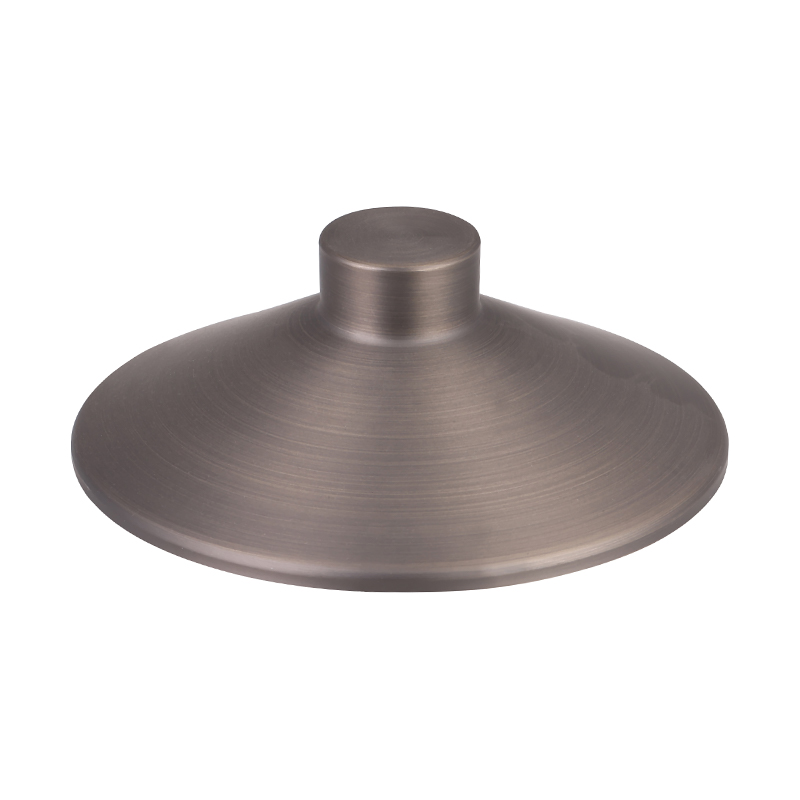
The simplest brass lampshade geometry for a ground recessed uplight is a cylinder or tapered cone that is open at the top, directing light in a relatively wide upward cone. The brass walls of the shade cut off light at the sides, preventing glare at low viewing angles while allowing the main upward beam to illuminate the object above the fixture. Open topped brass wash lampshades are most appropriate for uplighting large trees, tall hedges, and building facades where the wide beam spread of the open shade distributes light across a large vertical surface. The brass shade walls in this geometry serve primarily as glare shields rather than optical elements, and their thermal conductance role is important because the open top allows warm air convection out of the fixture.
Louvered Brass Lampshades
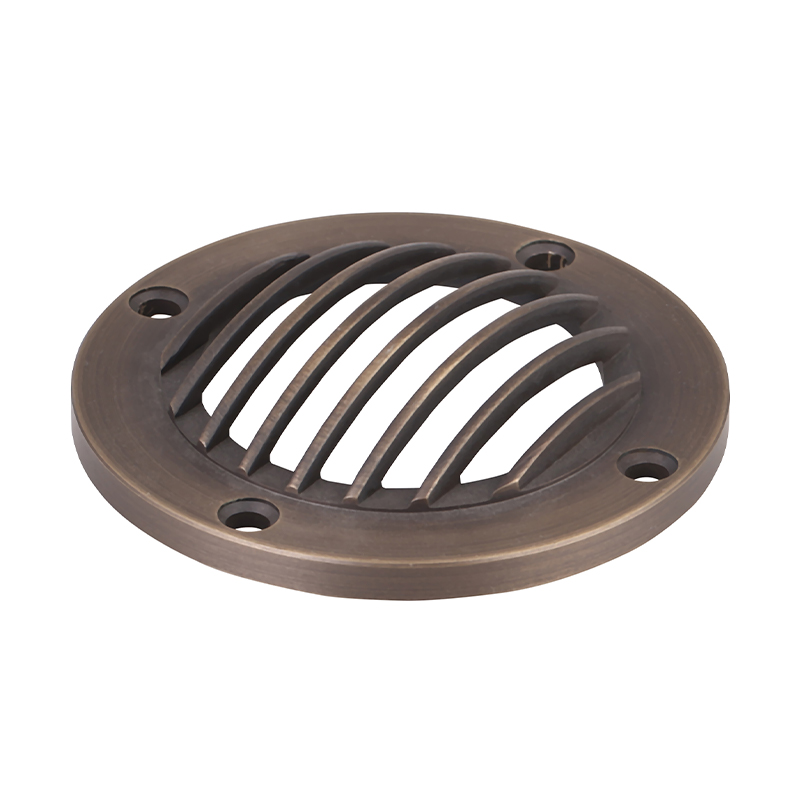
Louvered lampshades incorporate horizontal brass fins or blades within the shade aperture that limit the vertical spread of light and create a more controlled, layered beam structure. The louvers prevent light from escaping at very oblique angles that would create glare for observers at ground level, making louvered brass lampshades appropriate for path lighting applications where the uplight fixtures are positioned at the edges of pedestrian routes. Quality louvered brass lampshades with blades set at 45 degree cutoff angles achieve an upward light shielding angle of 45 degrees from horizontal, which substantially reduces the direct glare visibility of the light source from viewing positions at path level and is consistent with good outdoor lighting practice standards including CIBSE Guide LG6 and the Illuminating Engineering Society (IES) recommendations for pedestrian areas.
Directional Brass Lampshades with Adjustable Optics
Premium landscape ground lights incorporate brass lampshade assemblies with adjustable internal optic holders that allow the LED module's beam direction to be redirected within the fixture after installation, accommodating adjustments to the lighting design without requiring fixture relocation. The brass shade body provides the structural housing and weathering protection, while the internal adjustable optic system allows the beam to be tilted from vertical to angles of up to 30 to 40 degrees off axis to illuminate a subject positioned to one side of the fixture location. This flexibility is particularly valuable in landscape renovation projects where plantings grow and change over time, requiring periodic adjustment of the lighting angles to maintain the intended effect.
Diffusing Brass Lampshades with Frosted Glass
Some landscape ground light designs use a brass outer shade body with a frosted or opal glass top element that diffuses the upward light into a soft, glowing disk rather than a defined beam. This design produces a lamp like luminous appearance at the fixture location, creating a series of glowing points of light along a path or across a planting area, where the visual effect of the lit fixture itself is as important as the illumination it delivers to surrounding surfaces. The brass shade body in this design serves a protective and aesthetic framing role, and its rich warm color contrasts attractively with the cool luminous quality of the diffusing glass element.
IP Rating and Structural Requirements for Ground Recessed Installation
Landscape ground lights are installed at or below the finished grade level of the landscape, which exposes them to the most demanding moisture conditions of any exterior luminaire category. Water from rain, irrigation, and landscape drainage collects at low points and can pool over a recessed fixture for extended periods after precipitation events. The IP (Ingress Protection) rating of the complete fixture, including the brass lampshade assembly, must be appropriate for these conditions.
| IP Rating | Protection Level | Suitable Installation Context | Notes for Brass Lampshade Specification |
|---|---|---|---|
| IP54 | Dust protection; water splash from any direction | Raised planting beds, well drained surfaces | Minimum acceptable for above grade use; not suitable for flush to grade recessing |
| IP65 | Dust tight; low pressure water jets | Paved areas, garden paths, planting beds | Standard minimum for recessed landscape ground lights |
| IP67 | Dust tight; immersion to 1 m depth for 30 minutes | Areas subject to surface water pooling, near water features | Recommended for most permanent landscape ground light installations |
| IP68 | Dust tight; continuous immersion beyond 1 m | Shallow pool edges, water feature surrounds, flood prone zones | Required for any installation where submersion is possible |
Load Rating and Structural Robustness
Ground recessed landscape lights in pedestrian and vehicular areas must be structurally rated for the loads they will experience in service. Pedestrian rated fixtures must withstand point loads of 200 to 250 kg without damage or distortion to the lampshade or housing. Driveway and vehicular rated fixtures must withstand 1,500 to 5,000 kg load ratings depending on the vehicle type anticipated. Solid cast brass lampshades contribute meaningfully to the structural performance of premium ground recessed fixtures because cast brass has compressive strength comparable to other structural alloys at the section thicknesses typical of lampshade construction, and the mass and stiffness of a cast brass shade body resists deformation under incidental foot traffic and equipment loads better than fabricated sheet metal alternatives of equivalent volume.
Installation, Maintenance, and Long Term Performance
The long term performance of a landscape ground light with a brass lampshade depends as much on correct installation practice and maintenance as on the inherent quality of the fixture. The following guidance covers the most important considerations for achieving the performance and service life that quality brass landscape lighting is capable of delivering.
- Install in a conduit sleeve with a drainage sump below the fixture body. Ground recessed fixtures must be installed with a drainage pathway below the fixture body to prevent standing water from accumulating inside the housing in the event of seal degradation or condensation ingress. A 100 to 150 mm depth of clean aggregate below the fixture body, connected to a drainage conduit or simply to freely draining subsoil, provides the necessary drainage and significantly extends the practical water ingress protection of the installation beyond the fixture's rated IP level alone.
- Use marine grade waterproof connectors for all wiring connections outside the fixture body. The electrical connections between the landscape ground light and its supply cable are a common point of moisture ingress failure in poorly installed systems. Gel filled waterproof connectors, heat shrink terminated connectors, or purpose made ground light wiring junction boxes rated to IP68 should be used for all connections in the damp soil environment outside the fixture body.
- Clean the brass lampshade surface periodically to remove organic deposits. Soil, algae, and organic debris accumulate on the brass lampshade surface over time and, if left in contact with the brass for extended periods, can accelerate localized corrosion at debris accumulation points. Periodic cleaning with a soft brush and clean water removes these deposits and maintains the natural patination process across the entire shade surface, producing the uniform, even patina that is characteristic of quality aged brass.
- Check and replace the lens seal at the fixture manufacturer's recommended interval. The lens or top glass seal of a ground recessed fixture degrades with UV exposure, thermal cycling, and physical contact over time. Most quality manufacturers recommend seal inspection and replacement at 5 to 7 year intervals as a preventive maintenance measure, regardless of whether visible degradation has occurred. Proactive seal replacement is significantly less expensive than the consequence of moisture ingress into the electrical compartment.
A landscape ground light with a solid brass lampshade, correctly specified for IP rating and structural load requirements, properly installed with drainage provision and waterproof wiring connections, and maintained with periodic cleaning and preventive seal replacement, represents one of the most durable and visually distinguished landscape lighting solutions available. The combination of brass's natural aging beauty with its structural and thermal performance advantages makes it the material of choice for premium landscape lighting projects where the fixture must perform reliably and enhance the landscape character for decades.