Español
 عربى
عربى
 Deutsch
 русский
 Français

As global infrastructure continues to advance, the demand for reliable piping components has grown substantially. Among the wide range of materials available, the brass pipe fitting has become a standout choice thanks to its balance of durability, safety compliance, and long-term performance. Construction companies, water system engineers, and industrial manufacturers are increasingly relying on brass components to ensure the stability and integrity of both new and existing pipeline installations. Industry analysts report steady growth in the use of brass pipe fittings in residential, commercial, and heavy industrial applications, driven by the urgent need for secure connections and extended service life in high-pressure, high-temperature, and corrosive environments.
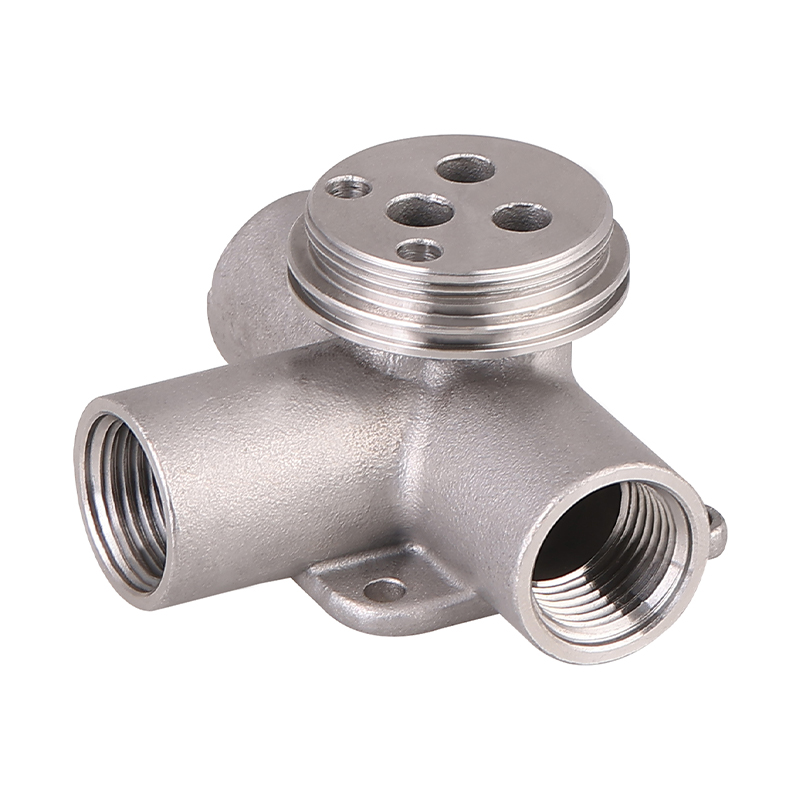
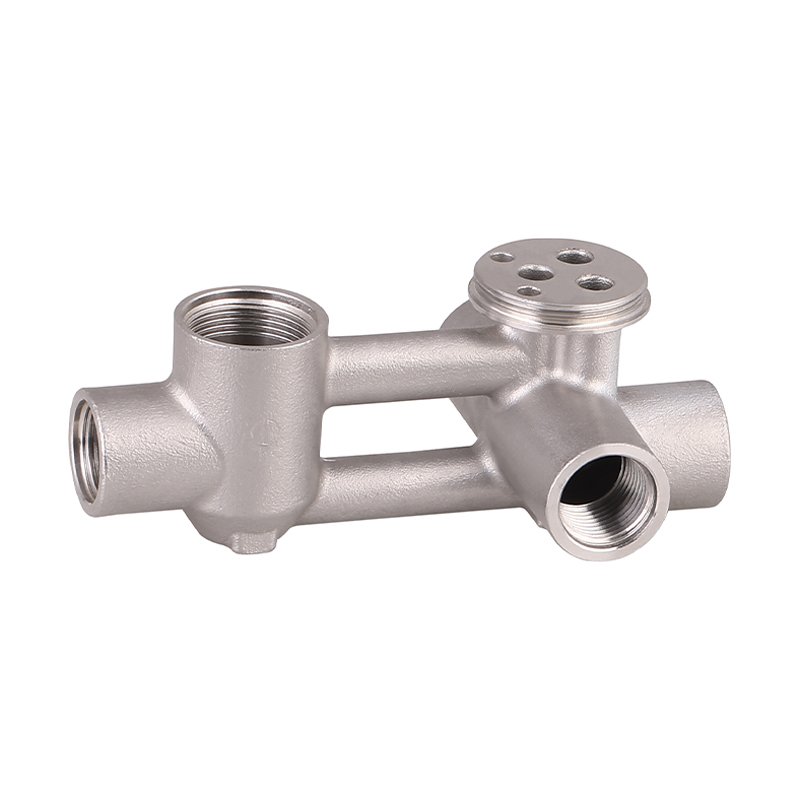
Brass pipe fittings are designed to provide strong and stable branch connections in water, gas, HVAC, and industrial piping networks. Their structural advantages come from the unique material properties of brass, which combines strength, resistance to corrosion, and ease of machining. As the global market shifts toward long-lasting solutions that reduce maintenance costs and prevent safety hazards, brass pipe fitting products have gained widespread recognition across regions including North America, Europe, Southeast Asia, and the Middle East.
One core reason for this rising demand is the continued emphasis on compliance with international standards. Manufacturers today are producing brass pipe fittings that meet stringent requirements from ASTM, EN, and NSF/ANSI 61. These certifications are essential in ensuring that fittings are safe for use in potable water systems, municipal pipe grids, industrial liquid transfer systems, and commercial mechanical installations. With increasing attention to public health, water safety, and quality assurance, brass pipe fitting manufacturers are investing in higher production standards to meet global expectations.
How Does Proper Installation Impact the Performance and Longevity of Brass Pipe Fittings?
Although brass pipe fittings are engineered to deliver long-term performance, their success depends heavily on proper installation practices. Professionals in plumbing, construction, and industrial maintenance stress that overtightening during installation remains one of the most common causes of early failure. Even though brass is durable, applying excessive torque can deform the threads, reduce sealing effectiveness, and create micro-cracks that later develop into leaks. Technicians are advised to tighten fittings carefully, ensuring that the threads engage smoothly without unnecessary force.
Correct alignment is another critical factor in ensuring system stability. If a fitting is not aligned precisely with the connecting pipe, the resulting stress can weaken the joint and cause gradual wear. This problem is particularly relevant in systems subjected to temperature fluctuations or pressure surges, where expansion and contraction can loosen improperly installed connections. For these reasons, installers must follow pressure ratings, use suitable sealing materials, and apply installation methods that match the system’s operational environment.
Brass pipe fittings also require attention when used in extreme environments. Although brass offers strong natural resistance to corrosion, additional protective measures may be necessary when fittings are installed in chlorinated water systems, marine environments, or chemical processing applications. In these conditions, engineers may incorporate protective coatings or create controlled environmental barriers to extend the lifespan of the fittings. With proper installation and foresight, a brass pipe fitting can outperform many alternative materials, especially in high-stress mechanical or thermal environments.
Routine inspection is equally important in safeguarding the long-term performance of piping systems. Even though brass is stable and reliable, periodic checks help detect early signs of wear, corrosion, or leakage. This is especially significant in commercial buildings, industrial plants, and municipal networks where system failure could lead to operational downtime or water damage. Maintenance teams often conduct pressure tests, check for temperature-induced loosening, and replace fittings that show signs of aging. Through these consistent monitoring practices, the brass pipe fitting remains a durable, dependable component that contributes to the stable operation of large-scale piping systems.
Why Are Brass Pipe Fittings Considered a Cost-Effective and Reliable Solution for Global Infrastructure?
One of the main reasons brass pipe fittings continue to dominate global markets is their strong cost-performance ratio. Stainless steel fittings, while highly corrosion-resistant, often come with a significantly higher price tag. Plastic components, though inexpensive and easy to install, may not withstand mechanical stress or extreme temperatures, making them a poor choice for demanding industrial or commercial environments. Brass pipe fittings, on the other hand, strike a balance between strength, affordability, and versatility, allowing them to meet the needs of a broad range of industries.
The recyclability of brass also contributes to its popularity. As sustainability becomes an industry priority, companies and government agencies are favoring materials that can be reused or repurposed. Brass pipe fittings can be recycled repeatedly without losing their structural integrity, reducing environmental impact and lowering long-term material costs. This sustainable advantage aligns well with modern green building standards, making brass fittings a practical and environmentally responsible choice for new construction and renovation projects.
From water supply lines to gas distribution networks, the adaptability of brass ensures its relevance across numerous applications. Its ability to handle temperature variability and moderate to high pressure makes it valuable in HVAC systems, mechanical assemblies, industrial machinery, and municipal pipelines. As new infrastructure projects emerge worldwide—particularly in Asia and the Middle East—contractors are choosing brass components to achieve reliable performance with minimal maintenance requirements.
Technological advancements are further strengthening the market for brass pipe fitting products. Manufacturers are adopting improved machining techniques, better alloys, and more precise threading standards to enhance durability and ensure consistent quality. As a result, today’s brass pipe fittings exhibit better sealing, stronger pressure tolerance, and improved corrosion resistance compared with earlier generations.
Industry experts predict continued growth in demand as countries invest in water treatment systems, urban construction, energy infrastructure, and commercial facilities. Brass pipe fittings are expected to remain a core component of these projects due to their reputation for reliability, cost-effectiveness, and compliance with international regulations. With proper installation and maintenance, a brass pipe fitting offers decades of dependable service, making it one of the most trusted materials in modern piping design.