Español
 عربى
عربى
 Deutsch
 русский
 Français

As global attention shifts toward resource conservation and climate responsibility, the home improvement industry is undergoing a profound green transformation. Bathrooms and shower spaces are among the most water-intensive areas of any home, which means the materials used in fittings and hardware directly influence water efficiency, health safety, and long-term ownership costs. Eco-Friendly Stainless Steel Shower Faucet Fittings have emerged as a leading solution against this backdrop, becoming the preferred choice for homeowners, designers, and commercial developers alike. This article explores the topic in depth, covering material properties, environmental value, manufacturing processes, certification standards, purchasing guidance, and maintenance practices.
1. What Are Eco-Friendly Stainless Steel Shower Faucet Fittings
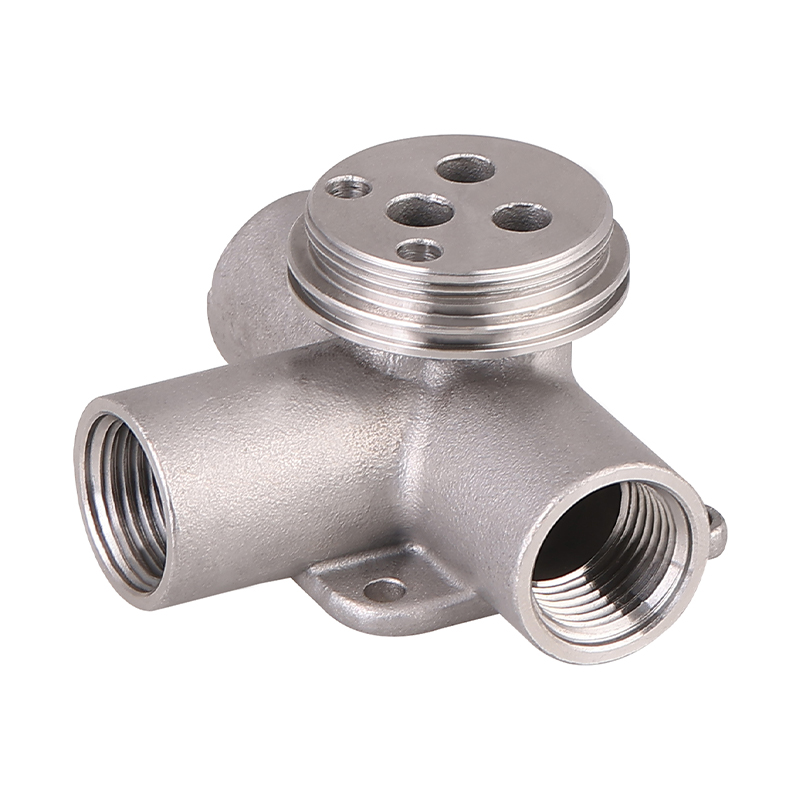
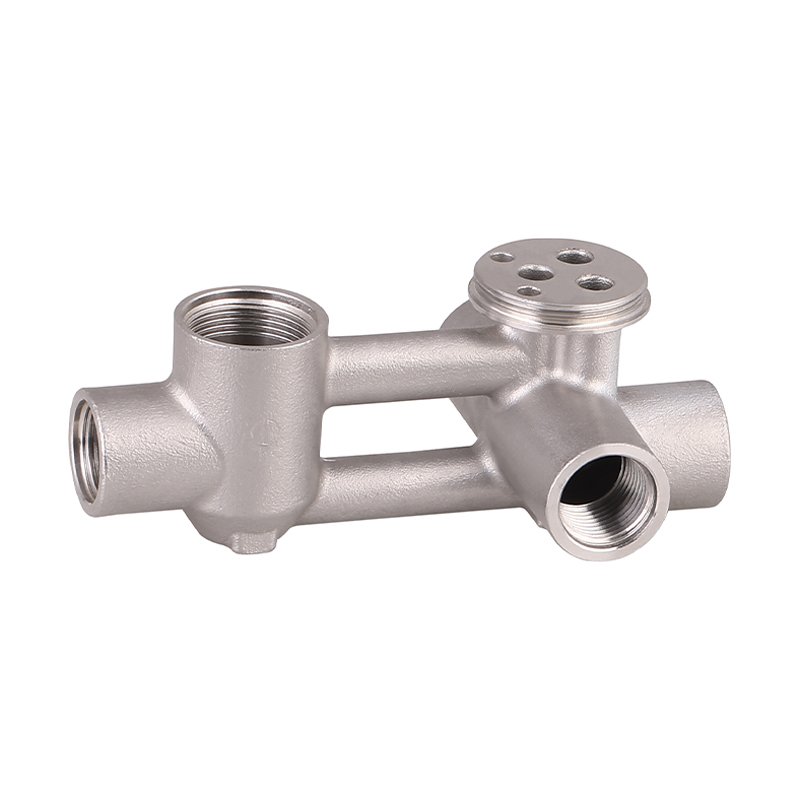
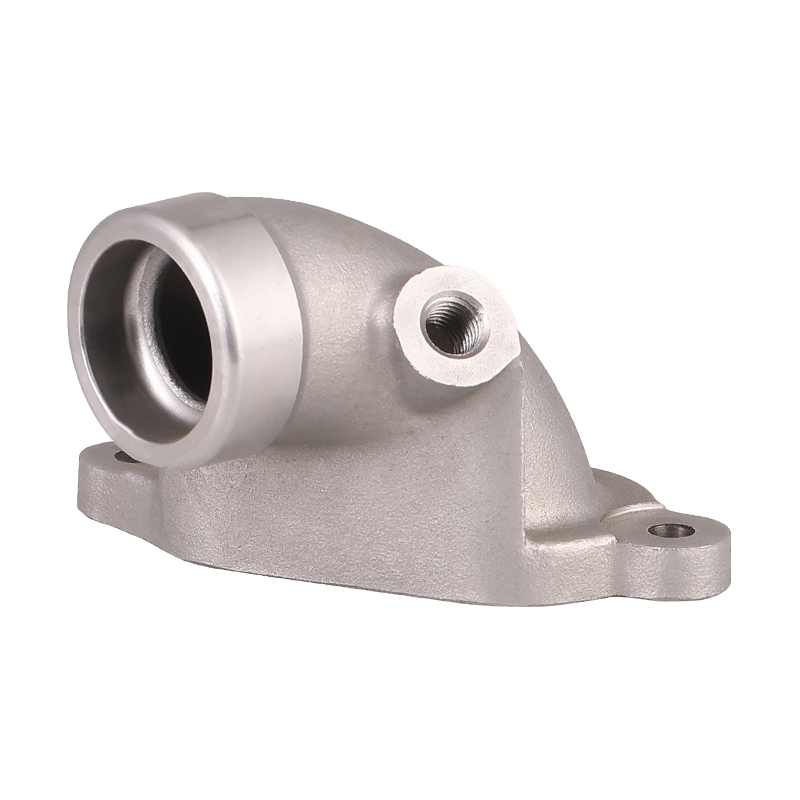
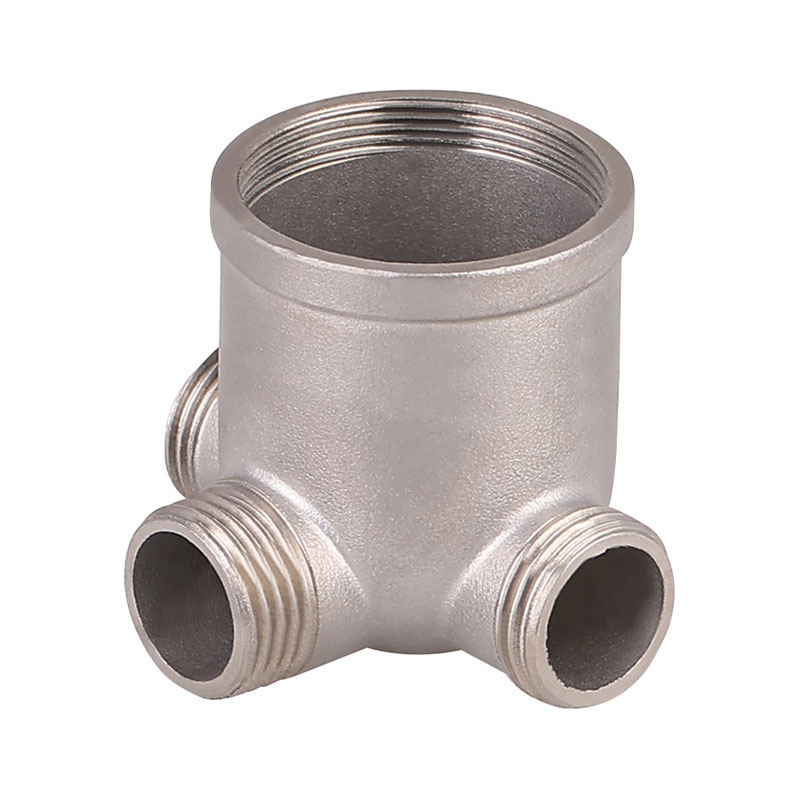
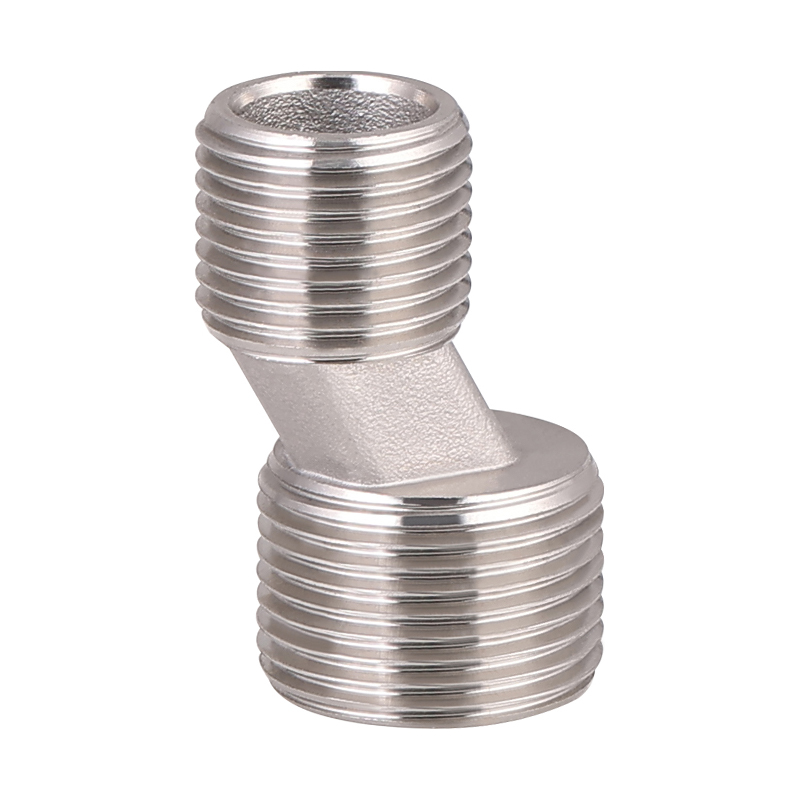
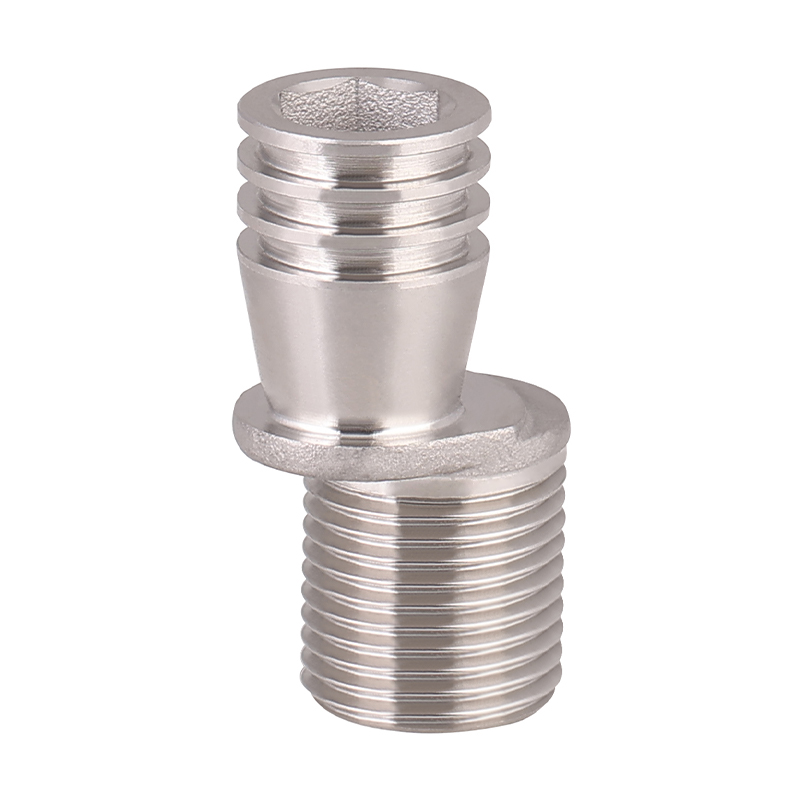
Eco-friendly stainless steel shower faucet fittings refer to shower system components manufactured primarily from food-grade or medical-grade stainless steel, most commonly grade 304 or 316, through processes such as cold rolling, drawing, polishing, and precision machining. This category includes shower faucet bodies, wall brackets, hose connectors, thermostatic valve cores, diverters, angle valves, and various connecting hardware. Compared to traditional chrome-plated brass or plastic composite fittings, stainless steel components demonstrate a significantly lower environmental footprint across their entire lifecycle, from raw material sourcing to end-of-life recycling, which is why they are classified within the broader category of sustainable building materials.
It is worth noting that the term "eco-friendly" is not simply a marketing label or a matter of appearance. It reflects a full lifecycle evaluation framework that considers the renewability of raw materials, the energy consumption and emissions generated during manufacturing, the water and energy savings achieved during the product's use phase, and the recyclability of the material once the product reaches the end of its service life. Stainless steel shower fittings earn their eco-friendly designation because they perform strongly across each of these stages, backed by measurable data.
Quick Fact: Understanding Stainless Steel Grades
The most common stainless steel grades used in residential bathroom fittings belong to the 300 series of austenitic stainless steels. Grade 304 contains roughly 18 percent chromium and 8 percent nickel, offering strong corrosion resistance and excellent workability. Grade 316 adds molybdenum to the alloy, further enhancing resistance to chloride-induced corrosion, making it especially suitable for coastal regions, high-humidity climates, or areas with harder water. When shopping, look for the specific grade marking rather than a generic "stainless steel" label.
2. Why Stainless Steel Is Considered a Sustainable Material
2.1 Exceptionally High Recyclability
Stainless steel ranks among the most recyclable industrial materials in the world. Industry data consistently shows a very high global recycling rate for stainless steel, and a discarded stainless steel shower faucet can be remelted and reformed into new products with virtually no loss of material performance. This stands in sharp contrast to many plastic composite materials, which often contain multiple additives, coatings, and reinforcing fibers that degrade significantly during recycling, or in many cases cannot be effectively sorted for recycling at all and end up in landfills or incinerators.
2.2 No Coating, No Heavy Metal Leaching Risk
Traditional brass faucets typically require nickel or chrome plating to achieve a polished surface finish, and brass itself often contains trace amounts of lead. As the plating wears over time, there is a risk of trace heavy metals leaching into the water supply. Stainless steel fittings require no additional electroplating; their shine comes from the inherent polishing of the metal itself, eliminating the risk of lead or nickel leaching from the source. This makes stainless steel particularly friendly to drinking water safety and skin contact safety, which is also why many countries classify it as an approved food-grade and medical-grade contact material.
2.3 Extended Service Life Reduces Resource Consumption
Sustainability is not only about the material itself but also about how long a product remains in service. Under normal usage conditions, stainless steel fittings typically last more than twenty years, far exceeding the five-to-eight-year lifespan of plastic fittings and the roughly ten-year lifespan of standard chrome-plated hardware. A longer service life means households replace hardware far less frequently, which indirectly reduces the energy consumption, packaging materials, and transportation emissions associated with manufacturing and shipping replacement products. This directly reflects the "reduce" principle at the core of circular economy thinking.
2.4 Comparatively Favorable Manufacturing Energy Profile
While the initial smelting of stainless steel does require energy input, its capacity to be repeatedly recycled and remelted means that when manufacturers use recycled scrap as a raw material input, the overall energy consumption and carbon emissions can be substantially lower than production relying on virgin ore. A growing number of leading bathroom hardware manufacturers have already increased the proportion of recycled stainless steel in their production lines and are publicly disclosing related carbon footprint data for buyers and procurement teams to reference.
3. Environmental Comparison: Stainless Steel vs Other Common Faucet Materials
| Comparison Criteria | Stainless Steel | Chrome-Plated Brass | Engineering Plastic |
|---|---|---|---|
| Recyclability | Very high, infinitely remeltable | Moderate, coating separation is complex | Low, mostly downcycled |
| Heavy Metal Leaching Risk | Very low | Possible lead leaching | Depends on additives used |
| Average Service Life | Over twenty years | About ten years, coating wears off | Five to eight years, prone to aging |
| Corrosion Resistance | Excellent, especially grade 316 | Good, but depends on coating integrity | No corrosion but degrades with age |
| Maintenance Cost | Low, simple cleaning suffices | Moderate, coating scratches easily | Low, but discolors and warps over time |
4. How Water-Saving Design Integrates with Stainless Steel Construction
The green credentials of eco-friendly stainless steel shower fittings extend well beyond the raw material itself and are closely tied to the water-saving technologies built into these products. Because stainless steel can be machined with exceptional precision, manufacturers are able to produce tighter-tolerance valve cores, flow restrictors, and aerator components, resulting in more consistent and reliable water conservation performance.
- Ceramic Valve Cores Paired with Stainless Steel Bodies: A stainless steel valve body offers greater structural strength, withstanding frequent on-off cycling without deforming. Combined with a ceramic disc valve core, this allows extremely precise flow control and minimizes wasted water from loose or worn fittings.
- Integrated Flow Restrictors and Aerators: Stainless steel outlet nozzles can precisely house flow limiters and aerator inserts, maintaining a comfortable water experience while keeping flow rates within internationally recognized water-saving thresholds.
- Thermostatic Mixing Valves: Stainless steel thermostatic valve cores respond quickly and maintain precise temperature control, reducing the amount of water wasted while users adjust hot and cold settings manually.
- Sensor-Activated and Delayed Shut-Off Mechanisms: Premium products combine stainless steel structures with sensor modules to automatically shut off water flow when not in use, further reducing unnecessary consumption.
Taken together, stainless steel provides a durable physical foundation for water-saving technologies, ensuring these mechanisms remain reliable under long-term, high-frequency use in a way that plastic components simply cannot match.
5. Sustainable Manufacturing Processes Explained
Understanding whether a stainless steel shower fitting truly deserves the "eco-friendly" label also requires looking at the manufacturing process behind it. The following stages represent common practices among sustainability-focused manufacturers in this industry.
5.1 Raw Material Sourcing: Recycled Content Ratios
Manufacturers committed to sustainability often set explicit requirements for suppliers to provide a defined percentage of recycled stainless steel, and verify this ratio through third-party testing agencies. Some products even disclose the specific recycled content percentage directly on packaging or product documentation.
5.2 Processing: Low-Pollution Surface Treatment
Traditional metal hardware often relies on electroplating to achieve a shiny finish, but this process generates wastewater containing heavy metals that can pollute water bodies if improperly treated. Stainless steel fittings, by contrast, can achieve the same or better visual results through mechanical polishing, brushed finishing, or PVD vacuum coating. PVD coating in particular is widely regarded as a cleaner surface treatment technology because it produces almost no wastewater or waste gas.
5.3 Packaging: Reduced Materials and Recyclable Options
An increasing number of brands are switching to recyclable cardboard packaging, eliminating foam cushioning, and simplifying instruction manuals and accessory packaging to further reduce the overall carbon footprint of logistics and distribution.
5.4 Production: Energy-Efficient Equipment and Clean Energy
Some larger manufacturers have introduced energy-efficient motors and waste heat recovery systems into high-energy-consumption processes such as stamping and polishing. A number of facilities have also begun installing rooftop solar panels to reduce reliance on the traditional power grid during production.
6. Relevant Environmental and Safety Certifications
When shopping for eco-friendly stainless steel shower faucet fittings, certification labels serve as an important reference point for verifying whether a product genuinely meets environmental and safety standards. Below are several certification systems commonly seen in the international market.
NSF/ANSI 61: Evaluates components that come into contact with drinking water, assessing whether materials release harmful substances into the water supply. This standard is widely required for bathroom hardware sold in North America.
WaterSense Certification: Issued by environmental agencies, this certification focuses on evaluating a product's water-saving performance. Certified faucets and showerheads typically use significantly less water than the industry average.
ISO 14001: This is a corporate environmental management system certification, reflecting a manufacturer's overall environmental performance at the operational level rather than measuring a single product attribute.
RoHS Directive: Restricts the presence of hazardous substances such as lead, mercury, and cadmium in products, and is a mandatory environmental requirement for electronic and hardware products sold within the European Union.
REACH Regulation: A European Union regulation covering the registration, evaluation, authorization, and restriction of chemicals, including those used in surface treatment processes.
Consumers are advised to check whether product detail pages or manuals list the certification numbers mentioned above, and to verify these numbers directly through the official websites of the issuing bodies to avoid purchasing products with misleading environmental claims.
7. How to Choose Genuinely Eco-Friendly Stainless Steel Fittings
The market is filled with products labeled "stainless steel" that vary widely in actual quality. Some lower-priced items use steel with insufficient chromium content, or feature only a thin stainless steel veneer over an internal structure made of ordinary carbon steel or plastic. The following guidelines can help buyers make more informed decisions.
- Verify the Steel Grade: Reputable manufacturers clearly specify grades such as 304 or 316 rather than using the vague term "stainless steel," and should be able to provide testing reports upon request.
- Weight and Magnetic Testing: Genuine austenitic stainless steel, such as grade 304 or 316, is typically weakly magnetic or non-magnetic. A simple magnet test can serve as a preliminary check, though it should not replace professional laboratory testing.
- Inspect Welding and Joint Quality: High-quality stainless steel fittings feature smooth, burr-free welds, with joints typically produced through one-piece molding or precision laser welding.
- Look for Sustainability Disclosures: A growing number of brands publish recycled material ratios, carbon footprint data, and environmental certification documents on their official websites or product listings. This kind of transparency is itself a useful indicator of brand credibility.
- Compare Warranty Periods: Given the inherent durability of stainless steel, reputable manufacturers are often willing to offer warranties of ten years or longer, while products with unusually short warranty periods may indicate compromises in material quality.
8. Installation and Everyday Maintenance Tips
Even though stainless steel shower fittings are inherently durable, proper installation and consistent care can further extend their service life and reduce the likelihood of premature replacement caused by avoidable damage.
Installation Considerations
- Flush the water supply lines before installation to remove debris and metal filings that could clog or damage the valve core over time.
- Use plumber's tape or a suitable sealant on threaded connections, tightening with moderate force. Overtightening can strip the threads and compromise the seal.
- After installation, run a water test to check for leaks at every connection point and confirm that hot and cold water directions match the thermostatic valve settings correctly.
Daily Cleaning and Care
- Clean surfaces regularly with a mild, pH-neutral cleaner and a soft cloth. Avoid chlorine bleach or harsh acidic and alkaline cleaning products, which can damage the protective passive oxide layer on the steel surface.
- In coastal areas or regions with hard water, rinse fittings with clean water periodically to prevent long-term buildup of salt deposits or mineral scale.
- Remove and clean the aerator periodically to prevent limescale buildup, which can reduce both water flow comfort and water-saving effectiveness.
- Avoid using steel wool or other abrasive tools directly on the surface, as scratches can compromise the long-term corrosion resistance of the protective layer.
9. Applications and Product Types
Eco-friendly stainless steel shower faucet fittings are used across a wide range of settings, from residential bathroom renovations to high-traffic commercial environments such as hotels, gyms, and public shower facilities. Common product categories include the following.
| Product Type | Primary Function | Typical Application |
|---|---|---|
| Thermostatic Mixing Valve | Precise temperature control, scald prevention | Family bathrooms, homes with children or elderly residents |
| Wall-Mounted Shower Bracket | Fixes showerhead angle and height | Shower enclosures, hotel bathrooms |
| Hose and Quick-Connect Fittings | Connects showerhead to water outlet | General shower systems |
| Diverter and Switch Valve | Switches flow between multiple outlets | Large shower enclosures, multi-function shower panels |
| Angle Valve and Supply Connector | Controls water supply for maintenance | Any installation requiring isolated shutoff |
10. Industry Trends and Future Outlook
As global demand for sustainable building materials continues to rise, the eco-friendly stainless steel shower faucet fittings industry is showing several clear directions of development.
- Rising Recycled Content Ratios: An increasing number of manufacturers are setting explicit targets for recycled steel usage and incorporating these goals into their broader corporate sustainability strategies.
- Deeper Integration of Smart Technology and Water Conservation: Stainless steel structures are increasingly being paired with flow sensors, temperature displays, and voice control modules, enhancing user experience while preserving core eco-friendly attributes.
- Modular Designs for Extended Product Life: Some manufacturers now offer modular designs with replaceable valve cores and aerators, allowing consumers to repair fittings without replacing the entire unit, further reducing resource waste.
- Transparent Carbon Footprint Disclosure: Product carbon labeling is gradually becoming a purchasing reference point in certain markets, encouraging manufacturers to proactively disclose energy consumption and emissions data across their entire production process.
- Lightweight Design Paired with Precision Engineering: Optimized structural designs are reducing the amount of steel used per unit while maintaining structural strength and service life, further improving overall material efficiency.
11. Frequently Asked Questions
Do stainless steel shower fittings rust?
Genuine grade 304 or 316 stainless steel rarely shows signs of rust under normal usage conditions. The surface contains a dense chromium oxide passive layer that resists oxygen and moisture penetration and can even self-repair minor surface damage. Visible rust spots are typically a sign of substandard material or prolonged exposure to corrosive chemicals.
Are stainless steel fittings significantly more expensive than other materials?
The upfront cost is often somewhat higher than comparable plastic or standard chrome-plated products, but when factoring in the extended service life and minimal need for replacement or repair, stainless steel fittings frequently prove more cost-effective when evaluated on a full lifecycle basis.
Should I choose grade 304 or grade 316 stainless steel?
For typical inland residential environments, grade 304 stainless steel already offers sufficient corrosion resistance. For homes located near coastal areas, in high-humidity climates, or in regions with high chloride content in the water supply, grade 316 is recommended for its superior resistance to corrosion.
How can I verify that a product actually uses recycled stainless steel?
It is best to look for third-party testing documentation that confirms the recycled material ratio. Product appearance or marketing claims alone are not reliable indicators of the actual raw material sourcing.
What is the most environmentally responsible way to dispose of old stainless steel fittings?
Old stainless steel fittings should be taken to a certified metal recycling facility rather than discarded with regular household waste. Metal recyclers typically sort and remelt stainless steel scrap, allowing the material to re-enter the manufacturing supply chain.
Eco-friendly stainless steel shower faucet fittings stand out among available materials because of their strong combined performance in recyclability, safety, durability, and water-saving efficiency. They represent far more than a simple material upgrade; they embody a full lifecycle approach to sustainability, spanning raw material sourcing through to end-of-life recycling. For consumers seeking to balance quality, health, and environmental responsibility in their home renovation choices, a solid understanding of material properties, certification standards, and purchasing criteria can support more informed and responsible decision-making. As manufacturing technology continues to advance and consumer environmental awareness continues to grow, eco-friendly stainless steel shower fittings are well positioned to play an increasingly central role in the bathroom hardware market and in the broader movement toward sustainable home living.