Español
 عربى
عربى
 Deutsch
 русский
 Français

Flush a toilet and, a few seconds later, the cistern falls silent again. That brief hiss followed by a clean stop is the entire operating cycle of a ballcock valve, a design that has been doing the same job without electricity, sensors, or control boards for well over a century. The conclusion up front: a ballcock valve is a self-regulating, float-operated inlet valve that closes automatically when the water in a cistern or tank reaches a preset level and opens again when that level drops. It is a low-cost part, but a worn or wrongly adjusted ballcock can cause a running toilet, an under-filled storage tank, or water hammer in the pipework, so understanding the mechanism, the designs available, and the right installation practice matters more than the purchase price.
Two terms create recurring confusion. A ballcock is a float valve used to refill a cistern or tank. It is not a quarter-turn ball valve, which rotates a ball with a hole through it to isolate a line, and it is not a check valve, which prevents reverse flow. Each of the three belongs to a different part of the system, and mixing them up in a specification sheet can leave a tank without a fill control or a pump without protection.
What Is a Ballcock Valve?
A ballcock valve is mounted at the top of a water tank or cistern and connected to the incoming supply pipe. Its task is to let water in until the float reaches the required level and then to stop the supply cleanly, without dripping and without hammering. The construction is deliberately basic: a valve body with an inlet connection, a sealing mechanism inside the body, a spindle or lever arm, and a float that rides on the water surface. In older and most brass designs, the float is a hollow ball attached to a horizontal arm; in many compact plastic fill valves, the float is a cup that travels vertically along the valve body.
Ballcocks appear wherever a water level has to be maintained automatically:
- Toilet cisterns and water closets in homes and commercial buildings.
- Cold water storage and header tanks in roof spaces and plant rooms.
- Livestock watering troughs and irrigation header tanks.
- Cooling towers and process water tanks in industrial settings.
How Does a Ballcock Valve Work?
Put simply, a ballcock valve uses buoyancy as its only sensor. The float tracks the water level, the lever arm multiplies the float movement, and the sealing mechanism opens or closes the inlet port. You can trace the whole sequence from a single flush:
- The cistern drains, so the water level and the float drop together.
- The falling float pulls the lever arm away from the valve body, opening the inlet.
- Supply pressure pushes water through the valve and into the cistern.
- As the level climbs, the float rises and the lever moves the sealing mechanism toward its seat.
- At the preset level, the valve seats fully and the supply stops.
- The mechanism stays closed until the next flush starts the cycle again.
The Float and Lever Assembly
The float must stay buoyant across its full travel because it is the only link between the water surface and the valve. As the level rises, the float lifts the lever; the lever force is transmitted through the spindle to the sealing mechanism. In a ball-float design, the angle of the arm sets the shut-off height, which is why raising or lowering the float on the arm is the standard way to adjust the fill level. If the float develops a leak and water gets inside, it loses buoyancy, sinks, and the valve never closes.
Diaphragm and Piston Sealing
Modern ballcocks close with one of two sealing mechanisms. A diaphragm valve lets the supply pressure itself hold a flexible diaphragm against the seat; when the float drops, the lever lifts a small pilot, releasing pressure from behind the diaphragm and allowing the main flow to start. A piston valve pushes a machined piston or plunger directly against the orifice, and the float action positions it. Diaphragm types tend to run quietly and suit concealed cisterns, while piston types give a very positive shut-off and behave predictably under fluctuating pressure.
Ballcock Valve Types at a Glance
Not every ballcock is built the same way, and the differences affect price, noise, and maintenance frequency.
| Type | Operating principle | Typical application | Main advantage | Common failure |
|---|---|---|---|---|
| Ball-float lever | Hollow float on an arm opens and closes the valve as the level changes | Toilet cisterns, small header tanks | Simple, easy to adjust and repair | Float leaks and sinks; lever bends |
| Diaphragm | Rubber diaphragm is pressed against the seat by supply pressure; float vents it to open | Modern cisterns, quiet installations | Quiet, stable shut-off | Diaphragm perishes; debris under the seat |
| Piston | Piston is pushed directly against the orifice by the float mechanism | High-pressure supplies | Positive, definite closure | Piston seal wears and scores |
| Float-cup | Vertical cup-shaped float travels on the valve body and actuates an internal lever | Compact and concealed cisterns | Fits narrow spaces; adjustable height | Float cup cracks or jams on the body |
| Pressure-sensing | Uses supply pressure on a balancing diaphragm to stabilize the float action | Large tanks and commercial fill valves | Handles wide pressure swings | Pilot passages blocked by scale |
In practice, most complete brass float valves use the ball-float lever design with a replaceable sealing washer, which keeps maintenance simple: isolate the supply, undo the locking nut, and fit a new washer. For tank and cistern duty, the brass float valve remains the most straightforward design to install, adjust, and repair in the field.
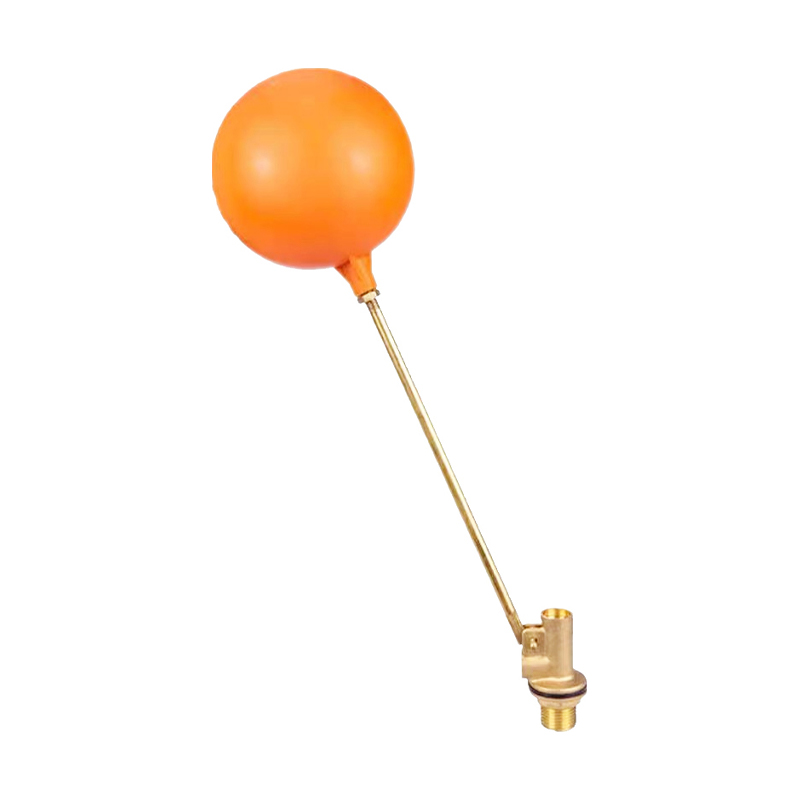 Brass Floating Ball Valve Suppliers, Brass Float Valve FactoryAs China brass floating ball valve suppliers and GH-5011 Brass Float Valve factory, Ninghai Gaohua Metalwork Products Co., Ltd. offer Who...View Product →
What to Consider When Choosing a Ballcock Valve
Selection usually comes down to four points: body material, pressure rating, connection size, and noise.
- Body material. Brass bodies withstand higher temperature and pressure than plastic, are far less likely to crack under tool torque, and hold up better in exposed or outdoor tanks.
- Pressure rating. Confirm the rated working pressure of the valve against the actual supply. High mains pressure can force a float valve off its seat at shut-off; low pressure can prevent a diaphragm type from opening.
- Connection size. Check the thread form and diameter, typically BSP, before ordering a replacement so it matches the existing supply nipple or tank fitting.
- Quiet operation. For cisterns near bedrooms, choose a design that closes gradually rather than a hard-seating piston type.
- Spare parts. Even the simplest ballcock needs a new washer or seal eventually. Choose a model that still has a parts supply after it is installed.
Installation and Maintenance
Good installation practice starts upstream of the float valve. A quarter-turn valve on the supply branch lets a plumber or building manager isolate only the cistern when the float needs attention, instead of draining the whole system. That is one reason brass ball valves have become the standard for modern plumbing branch lines, and the same logic applies to the ballcock itself: fit a full-port brass ball valve on the supply side so the float valve can be removed without stopping the rest of the building.
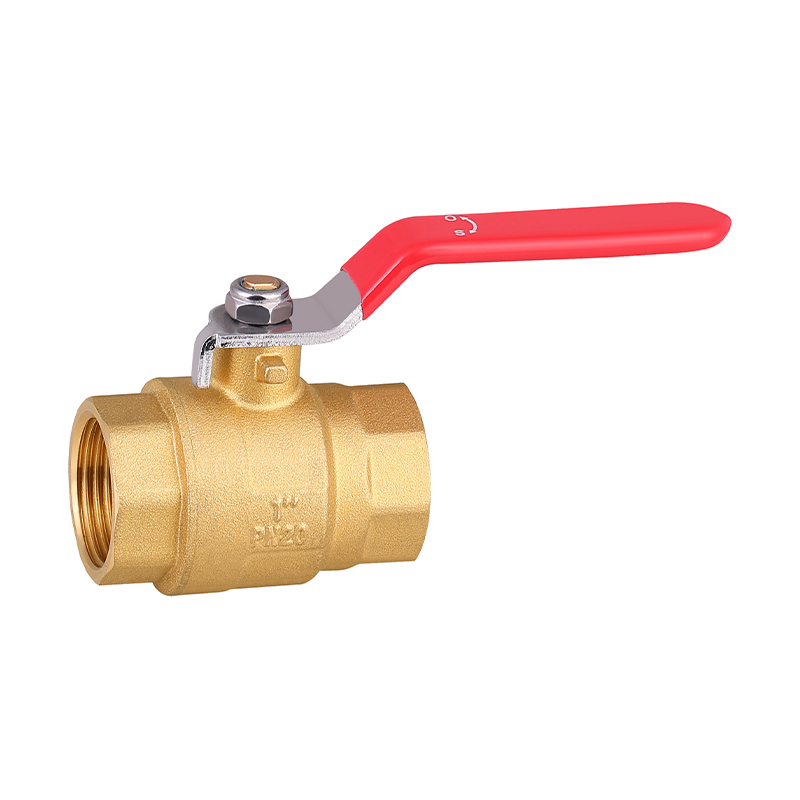 Wholesale GH-1002 Brass full port thread ball valve Female x Female Suppliers, Ninghai Gaohua Metalwork Products Co., Ltd is China wholesale GH-1002 Brass full port thread ball valve Female x Female suppliers and fa...View Product →
The most common cause of ballcock failure is not wear but contamination. Pipe scale, solder flakes, and grit carried by the supply wedge under the sealing washer and hold the valve open. Fitting a Y-type strainer upstream protects the seat and also guards other small-orifice components on the same line. After the debris problem is solved, the symptoms a maintenance engineer should recognize are simple:
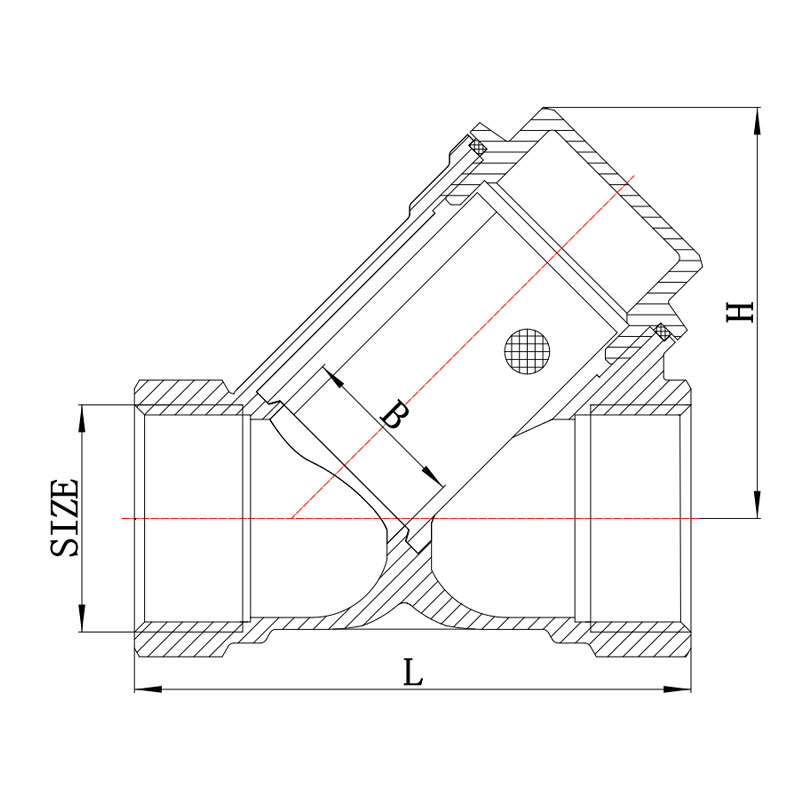 Wholesale GH-5001 Brass Y Type Strainer Suppliers, FactoryNinghai Gaohua Metalwork Products Co., Ltd. is China Brass Y strainer suppliers and GH-5001 Brass Y Type Strainer factory, we offer Whole...View Product →
- The valve will not shut off: the float has leaked and sunk, the sealing washer is worn, or debris is holding the seat open.
- The valve will not open: the inlet strainer is blocked, the float arm is binding, or supply pressure is too low for a diaphragm design.
- The valve chatters or the pipe hammers: the float arm is hunting around the set level, usually fixed by lowering the fill level or switching to a quieter design.
A ballcock valve is one of the few components in a building that regulate a water level entirely on its own. Its strength is simplicity. The float senses, the lever reacts, the seat seals. When it is matched to the supply pressure, fitted behind a proper isolation valve, and protected from debris, it will run for years on the cost of an occasional washer. When it is not, it wastes water and creates noise that is far more expensive to diagnose than the part itself.