Español
 عربى
عربى
 Deutsch
 русский
 Français

Earlier this month, a maintenance supervisor for a 40-unit apartment building asked why a brass plumbing pipe and brass pipe fittings were still being specified for the recirculating hot-water loop, even though the new distribution lines were PEX. The answer was simple: the loop terminated at more than 20 threaded brass valves, and converting every apartment connection to plastic would create more joints and more potential leak points. Brass, when selected correctly, still offers the best combination of mechanical rigidity, thermal stability, and thread compatibility for that kind of system.
What Brass Plumbing Pipe Is and Why It Still Matters
In plumbing, "pipe" and "tube" are not interchangeable. Pipe is usually specified by nominal bore and wall schedule, while tube is specified by outside diameter. Brass is a copper-zinc alloy, and the exact composition determines whether it is suitable for drinking water, hot water, or aggressive water chemistry. Most modern residential and light-commercial projects specify lead-free brass; for areas with low pH or high chloride levels, dezincification-resistant (DZR) brass prevents the selective leaching of zinc that leaves a porous, weakened wall.
Brass pipe is available in several forms. Threaded brass pipe is common in nominal sizes from 1/4 inch to 2 inches, while brass tube is used for smaller-diameter lines and decorative work. Sweat and press-type fittings have made field installation faster, but the most familiar brass connection in plumbing is still the threaded end: clean, sharp threads plus a little sealant give a joint that can be disassembled years later with a backup wrench.
These details matter because brass plumbing pipe is not a commodity. It has to hold threads, support a valve, and absorb thermal expansion without creeping. When the alloy is right and the parts are machined within tolerance, brass can outlast the building around it. That is why brass pipe fittings are still a preferred choice in modern plumbing whenever a threaded metal joint is required.
Brass Pipe vs. Other Plumbing Materials
Material selection starts with practical performance, not just price. The table below compares brass pipe with the other materials most often used in the same plumbing systems.
| Property | Brass pipe | PEX | PVC/CPVC | Stainless steel pipe |
|---|---|---|---|---|
| Corrosion resistance | Good when alloy is correct | Excellent | Good; CPVC for hot water | Excellent |
| Maximum working temperature | ~200°F (93°C), rating dependent | ~200°F (93°C) for hot-water types | ~140°F (60°C) for PVC; ~200°F (93°C) for CPVC | ~250°F (121°C) or higher |
| Pressure rating | Strong; depends on schedule and size | Good at lower temperatures | Moderate; higher for schedule 80 | Very strong |
| Joining methods | Threaded, sweat/solder, press, compression | Crimp, clamp, push-fit, expansion, press | Solvent cement, threaded (CPVC) | Welding, threading, press fittings |
| Typical applications | Valve groups, meter connections, fixture supplies | Hot/cold water distribution | Drain/waste/vent, cold-water supply | High-pressure or aggressive service |
The pattern is consistent: brass is rarely the cheapest option, but it is the most forgiving material for threaded assemblies. PEX is excellent for long concealed runs, and PVC/CPVC are economical for drainage and cold-water use. Neither offers the same resistance to physical damage or to over-tightening as a metal threaded joint. Stainless steel is stronger but more expensive and harder to modify on site. For a plumber or facility manager, brass is the reach-for material when the connection must not creep, distort, or leak over decades of thermal movement.
Where Brass Pipe and Fittings Fit Best
Brass plumbing pipe is not meant for whole-house distribution in most modern buildings, but it has clear niches where it performs better than any alternative.
- Valve and meter assemblies: Ball, gate, and check valves are built with brass bodies because brass can be cast, forged, and threaded precisely. Brass pipe stubs provide the rigid interface these components need.
- Fixture supplies in accessible places: Wall-mounted fixture supplies for bathroom faucets and shower valves stay aligned better when the stub-out is brass rather than plastic.
- Transition and adapter points: Brass couplings and reducing fittings connect PEX or copper lines to older steel or brass systems with a reliable mechanical joint.
- Hot-water recirculation loops: Constant temperature, moderate pressure, and frequent on-off cycles suit brass's fatigue resistance and thermal stability.
- Exposed or decorative systems: Brass pipe is also used for exposed supply lines, heated towel rails, and custom fabrications where appearance and rigidity are both important.
A typical wall installation uses a small directional part to turn the supply from vertical to horizontal. A well-machined female brass elbow gives the installer a clean thread engagement point and avoids the need to bend the pipe, which can stress the tube wall near the joint.
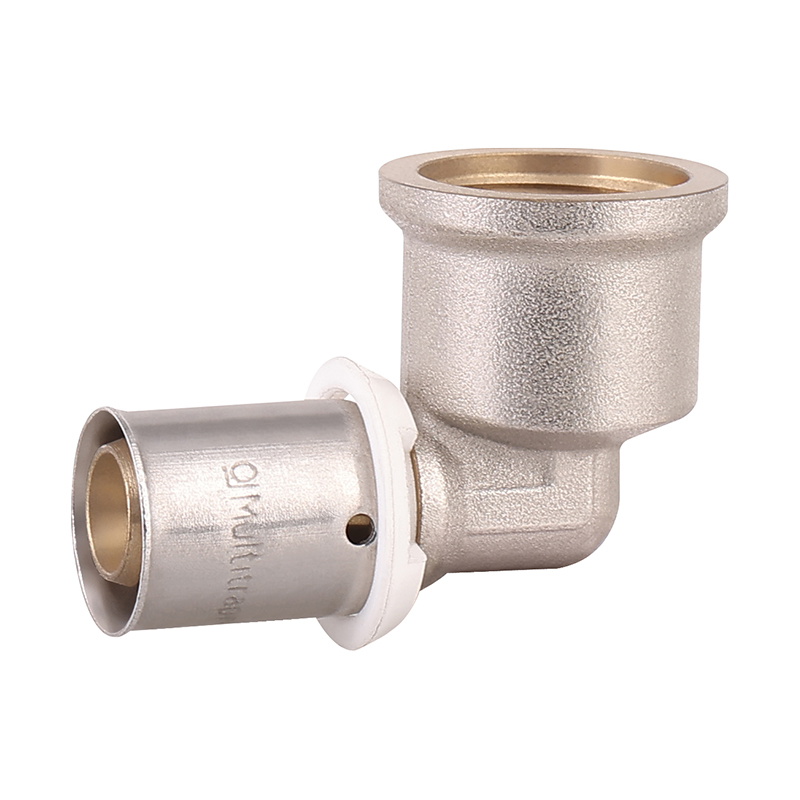 Wholesale GH-6004 Female brass elbow Suppliers, Factory - Ninghai Gaohua MetalwNinghai Gaohua Metalwork Products Co., Ltd is China wholesale GH-6004 Female brass elbow suppliers and factory,A female brass elbow is a...View Product →
How to Choose Brass Pipe and Fittings Without Expensive Mistakes
Not all brass fittings are equal. A polished surface can hide a poorly machined thread or an alloy that is wrong for the local water chemistry. Use these checks before ordering a batch:
- Confirm the lead content and DZR classification for the standard that applies in your market.
- Check the thread form: National Pipe Thread (NPT) and British Standard Pipe (BSP) are not interchangeable. Using the wrong one can crack the fitting or cause a leak under pressure.
- Inspect seating surfaces and bores for burrs, casting pits, and plating flaking.
- Compare wall thickness and outer diameter with your existing material; legible schedule and bore markings are a sign of quality control.
- Measure thread pitch with a gauge when matching older products, because imported valves sometimes use a non-standard pitch.
In large quantities, minor visual differences in plating or machining become major problems during installation. Test one sample against the actual male or female fitting before you commit the whole order. For flow-control points where frequent adjustment is expected, the valve shape matters as much as the material. A separate guide to choosing brass globe valves for plumbing can help you match seat angle and stem configuration to the pressure drop you can tolerate.
Installation, Pressure Testing, and System Integration
Correct installation is what turns a good brass component into a leak-free system. Three practices make the biggest difference: clean seating, correct sealant, and a thorough pressure test.
Threaded brass joints need a small amount of sealant, but not so much that it enters the pipe bore. Use PTFE tape or a joint compound approved for the service medium, and avoid bulky sealants on fine threads. Tighten with two wrenches: one to hold the body, one to turn the nut or male end. Over-tightening soft brass is a common cause of cracked bodies. When brass is connected to steel or galvanized pipe, use a dielectric union between the two metals; even though brass is less reactive than steel, the wet and grounded system can still generate a galvanic potential that needs to be isolated.
If you are connecting brass to PEX, the transition point has to be rigid. A quick-connect PEX pipe fitting with a brass body is useful here because it combines the corrosion resistance of metal with the push-fit convenience of plastic pipe. Verify that the PEX end is cut square and pushed to the depth mark before you apply pressure.
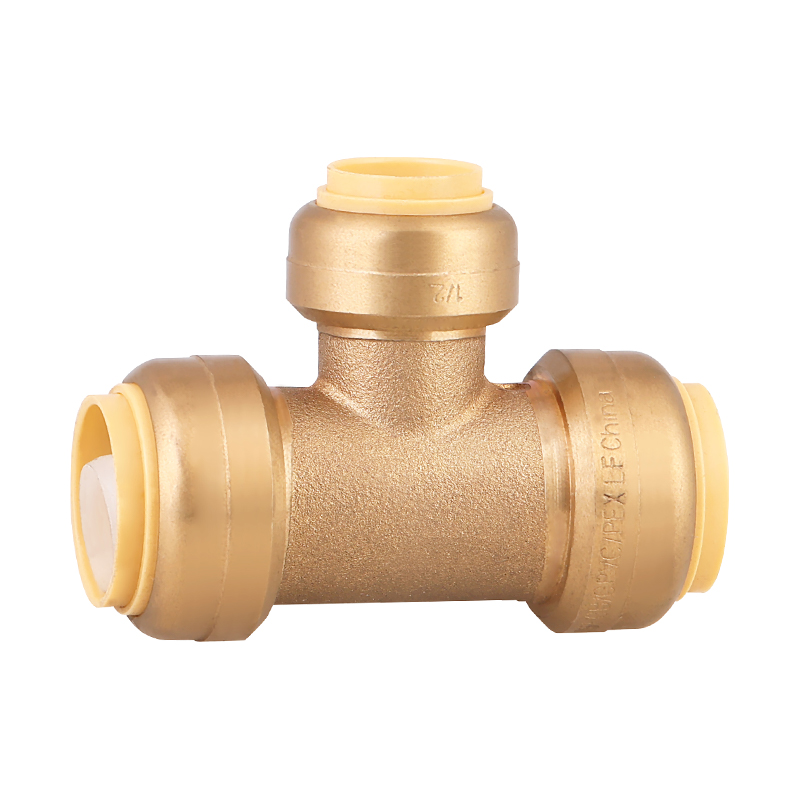 Wholesale GH-6014 Quick connect pex pipe fitting Suppliers, Factory - Ninghai GNinghai Gaohua Metalwork Products Co., Ltd is China wholesale GH-6014 Quick connect pex pipe fitting suppliers and factory,This quick-co...View Product →
After assembly, test at 1.5 times the working pressure, or according to your local code. Allow the system to settle for at least 30 minutes and inspect every joint. A soap-and-water solution reveals small air leaks, while a water pressure test requires a gradual increase and a static hold period.
Finally, include an accessible shutoff before the fixture or appliance. A full-port brass thread ball valve gives the lowest pressure drop and a quick quarter-turn action, which makes it the recommended choice for service isolation. When the full bore matches the pipe size, there is no flow restriction and no pocket where sediment can collect.
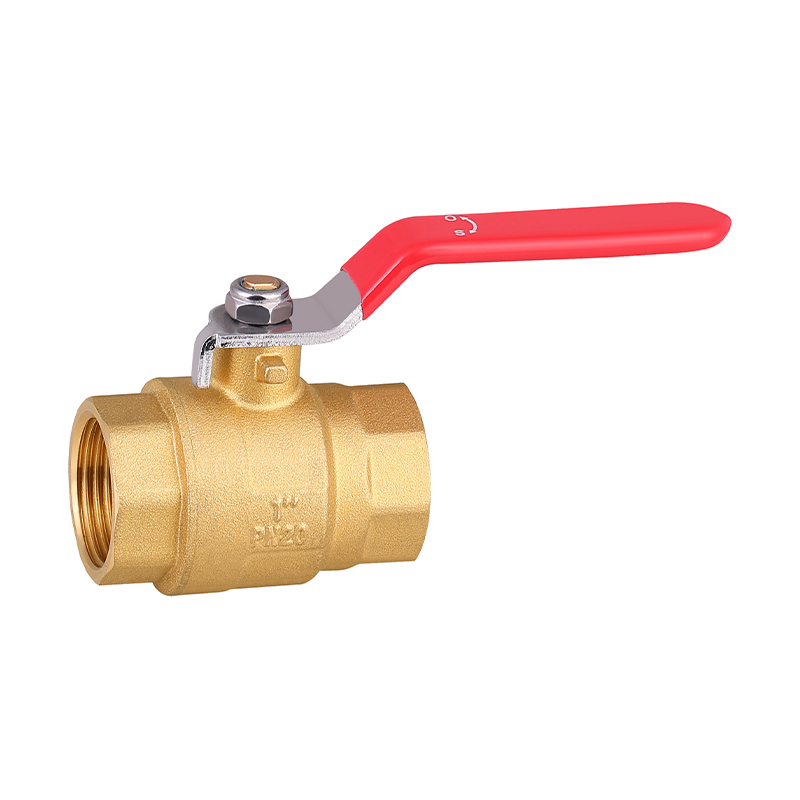 Wholesale GH-1002 Brass full port thread ball valve Female x Female Suppliers, Ninghai Gaohua Metalwork Products Co., Ltd is China wholesale GH-1002 Brass full port thread ball valve Female x Female suppliers and fa...View Product →
For maintenance staff and homeowners alike, knowing when to use brass versus plastic is as important as knowing how to solder. If the application demands a rigid, threaded, metal connection, brass ball valves are core components of a well-designed plumbing system and deserve the same attention as the pipe itself.