Español
 عربى
عربى
 Deutsch
 русский
 Français

The Intersection of Durability and Elegance in Landscape Lighting
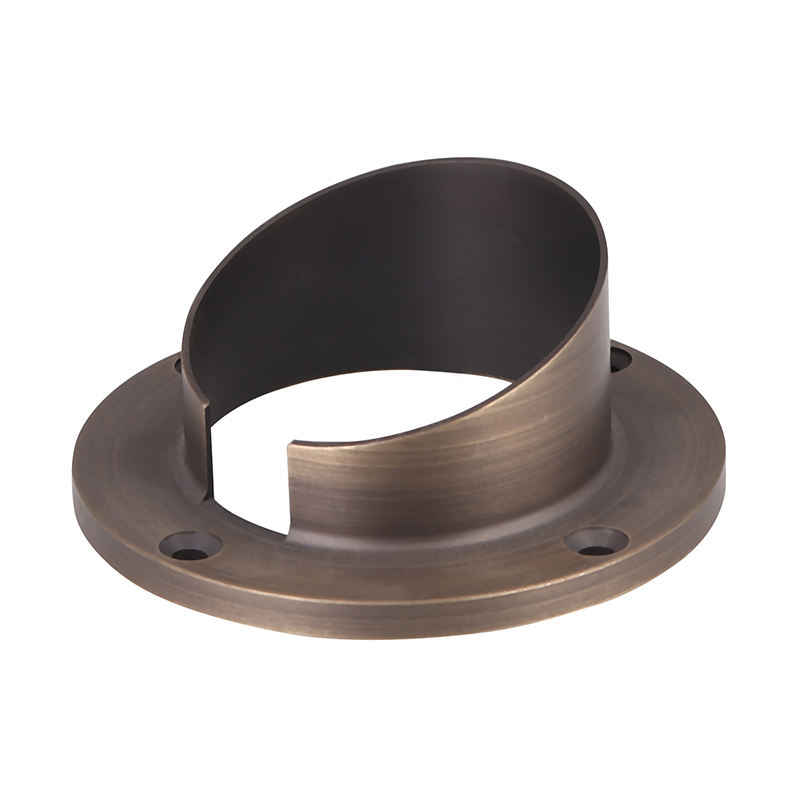
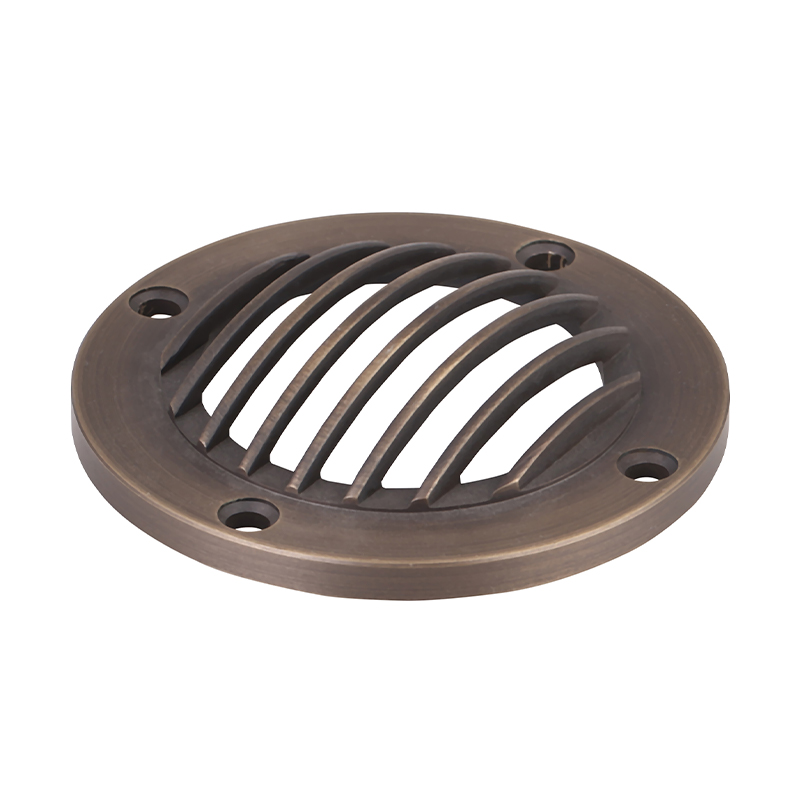
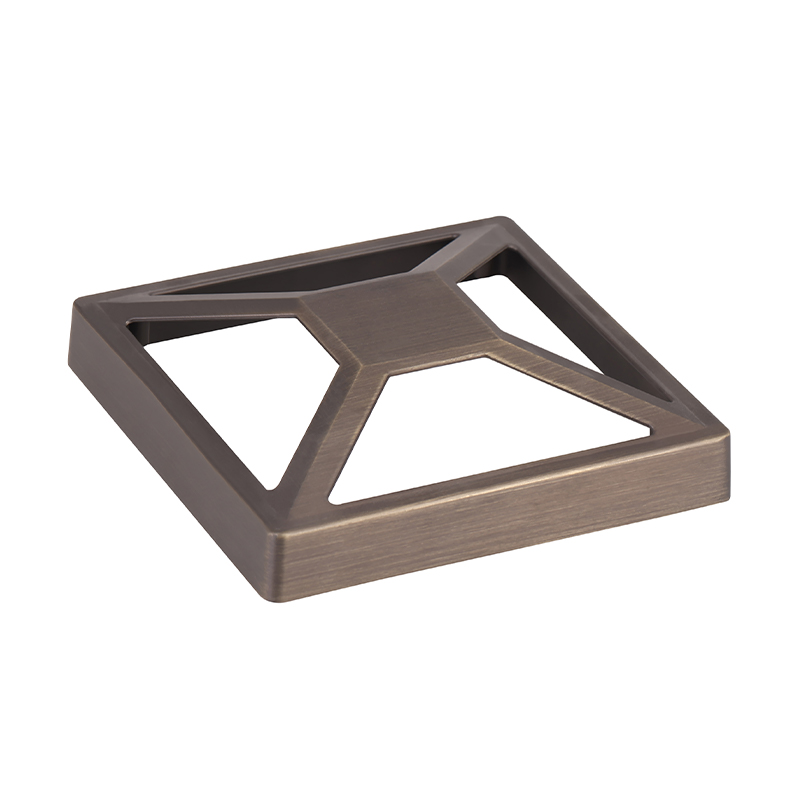
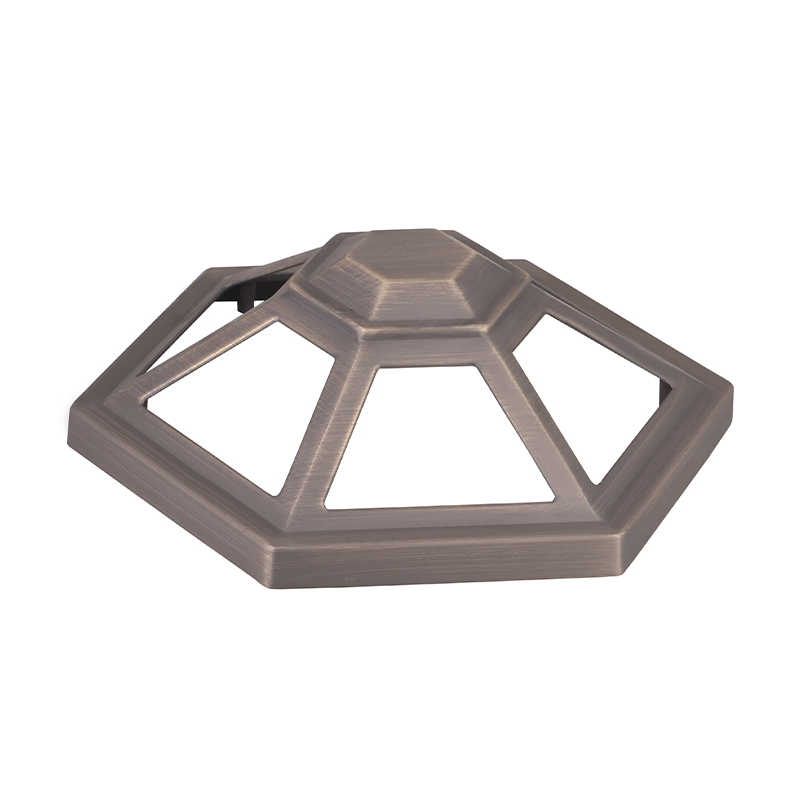
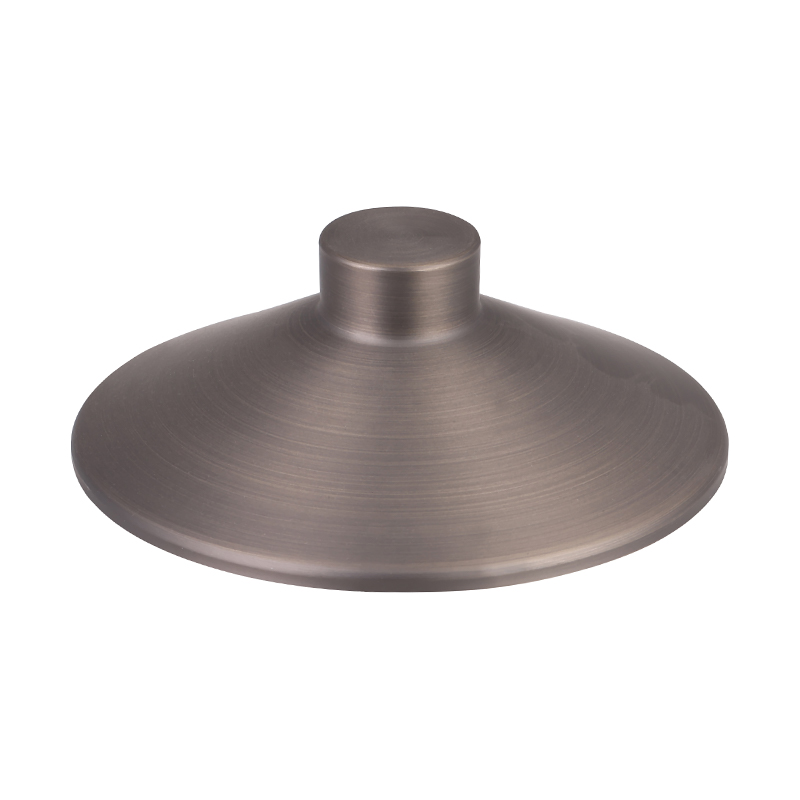
When it comes to landscape lighting, the fixtures installed in gardens, pathways, driveways, and commercial landscapes face some of the most demanding conditions of any lighting application. Buried partially or fully in the ground, these lights must withstand constant exposure to moisture, temperature extremes, UV radiation, physical impact, and sometimes even chemical exposure from fertilizers and de-icing salts. Yet, beyond mere survival, landscape ground lights must also deliver beautiful, functional illumination that enhances the beauty of outdoor spaces after dark. Among the various materials used to manufacture landscape ground light components, brass stands apart as the material of choice for premium applications. The Landscape Ground Light Brass Lampshade represents the perfect fusion of form and function, offering exceptional durability, timeless aesthetic appeal, and superior light management properties. Why, in an era of advanced composites and coated aluminum, does brass continue to dominate the high end of the landscape lighting market? The answer lies in a unique combination of corrosion resistance, natural beauty, thermal management, and long-term value that no other material has been able to match.
A landscape ground light typically consists of several key components: the housing or body that encloses the electrical components, the lampshade that directs and diffuses the light, the lens that protects the light source, and the stake or mounting hardware that secures the fixture in the ground. The brass lampshade is particularly critical because it directly influences both the durability and the optical performance of the fixture. Brass, an alloy of copper and zinc, has been used for decorative and functional applications for thousands of years, and its properties are exceptionally well-suited to the demands of outdoor lighting. The natural golden hue of polished brass adds warmth and elegance to any landscape, while the material's inherent resistance to corrosion ensures that the fixture will continue to perform and look beautiful for decades. Unlike painted or coated materials that can chip, peel, or fade, solid brass develops a natural patina over time that many designers and homeowners find highly desirable, adding character and a sense of permanence to the landscape.
The manufacturing process for high-quality brass lampshades typically involves either sand casting, die casting, or machining from solid brass stock, depending on the complexity of the design and the required production volume. Sand casting is often used for intricate, decorative shapes and allows for significant design freedom. Die casting is more suitable for high-volume production of consistent, moderately complex shapes. Machining from solid brass bar stock produces the highest precision and surface quality but is more expensive and material-intensive. Regardless of the manufacturing method, the best brass lampshades are made from solid brass rather than brass-plated or brass-coated materials. Solid brass maintains its structural integrity and corrosion resistance throughout the thickness of the material, whereas plated materials can corrode rapidly once the thin surface layer is scratched or worn. For landscape lighting applications where fixtures may remain in place for twenty years or longer, the additional cost of solid brass is easily justified by the extended service life and reduced maintenance requirements.
Why Brass Outperforms Alternative Materials for Landscape Ground Light Lampshades
Superior Corrosion Resistance for Long-Term Outdoor Reliability
The single most important property of a landscape ground light brass lampshade is its exceptional resistance to corrosion. Outdoor environments are notoriously aggressive to metals. Rain, irrigation water, dew, humidity, and even soil moisture constantly expose ground-level fixtures to water. Additionally, many landscapes receive regular applications of fertilizers, which often contain salts and other chemicals that can accelerate corrosion. In colder climates, de-icing salts used on nearby sidewalks and driveways can splash onto landscape fixtures, creating a highly corrosive environment. Many metals, including standard steel, cast iron, and even some grades of aluminum, will begin to corrode within months or a few years under these conditions. Brass, however, is remarkably resistant to corrosion. This resistance comes from the electrochemical properties of the copper-zinc alloy. When exposed to moisture and oxygen, brass forms a thin, adherent, and stable oxide layer that protects the underlying metal from further corrosion. This passive layer, often referred to as a patina, naturally evolves over time from bright gold to a muted brown and eventually to a distinctive greenish-blue in coastal or highly humid environments. Importantly, this patina is protective, not destructive. Unlike rust on iron or steel, which flakes away and exposes fresh metal to continued corrosion, the brass patina remains adhered to the surface and slows further corrosion. This means that a solid brass lampshade can last for decades, even centuries, in outdoor environments with minimal maintenance. For landscape lighting specifiers and property owners, this long-term reliability translates directly into lower total cost of ownership, reduced maintenance labor, and fewer fixture replacements over the life of the landscape.
Exceptional Thermal Management for LED Light Sources
Modern landscape lighting increasingly uses LED (light emitting diode) light sources, which offer superior energy efficiency, longer life, and better light quality compared to older halogen or incandescent technologies. However, LEDs are sensitive to heat. While LEDs produce less heat than traditional light sources, they still generate significant heat at the semiconductor junction, and excessive temperatures can dramatically reduce both the light output and the operational life of the LED. This is where the brass lampshade provides a significant advantage. Brass is an excellent thermal conductor, with a thermal conductivity of approximately 120 watts per meter-kelvin (W/m·K). This is roughly three times higher than stainless steel and more than twice that of aluminum. What does this mean in practical terms? When an LED light source inside a landscape ground light generates heat, the brass lampshade acts as an efficient heat sink, drawing heat away from the LED and dissipating it into the surrounding air and soil. By keeping the LED junction temperature lower, the brass lampshade helps the LED maintain its rated light output and achieve its full rated lifespan, which can be 50,000 hours or more. In contrast, lampshades made from materials with poor thermal conductivity, such as plastic or certain polymers, can trap heat around the LED, accelerating degradation and leading to premature failure. Furthermore, the thermal efficiency of brass means that the lampshade itself can be designed with more aesthetic freedom. Because brass effectively transfers heat to a larger surface area, the lampshade does not require bulky cooling fins or other heat sink features that can compromise the clean, elegant appearance of the fixture. This allows landscape lighting designers to create fixtures that are both highly functional and visually appealing.
Outstanding Mechanical Strength and Impact Resistance
Landscape ground lights are subject to a variety of mechanical stresses that can damage weaker fixtures. Lawnmowers, string trimmers, snowplows, foot traffic, falling branches, and even errant soccer balls can impact ground-level fixtures. A lampshade made from a brittle or weak material can crack, shatter, or dent under these impacts, compromising both the appearance and the functionality of the light. Solid brass offers excellent mechanical properties for this demanding application. The yield strength of cast brass typically ranges from 70 to 200 megapascals, depending on the specific alloy and heat treatment, while the hardness is sufficient to resist scratching and denting from most common impacts. When a brass lampshade is struck, it is more likely to deform slightly rather than crack or shatter, and minor dents can often be ignored or even add character to the aged appearance of the fixture. In contrast, plastic or polymer lampshades can crack or shatter on impact, requiring complete replacement. Painted or coated aluminum lampshades may dent as easily as brass but can also suffer from chipped or scratched coatings that then expose the underlying aluminum to corrosion. The superior impact resistance of brass makes it particularly well-suited for public landscapes, commercial properties, and active residential yards where fixture damage is a genuine concern. For property managers and homeowners alike, the peace of mind that comes from knowing that landscape lighting fixtures can withstand the rigors of outdoor life is a significant benefit that justifies the premium cost of brass.
Timeless Aesthetic Appeal and Natural Patina Development
Beyond its purely functional advantages, the Landscape Ground Light Brass Lampshade offers aesthetic benefits that no other material can fully replicate. The natural, warm golden color of polished brass has been associated with quality, luxury, and permanence for centuries. When newly installed, a brass lampshade provides a bright, elegant accent that complements both traditional and contemporary landscape designs. The polished surface reflects ambient light beautifully, adding visual interest even during the daytime when the lights are not illuminated. Over time, as the brass is exposed to the elements, it gradually develops a natural patina. This patina begins as a subtle darkening of the gold surface, progressing to a rich brown or bronze tone. In coastal environments or after many years of exposure, the patina may evolve into the distinctive greenish-blue verdigris associated with aged copper and brass on historic buildings and monuments. Many landscape architects and discerning homeowners specifically choose brass for this aging characteristic. Unlike materials that look worse as they age, brass becomes more distinctive and characterful. The patina tells the story of the landscape and the passage of time, adding a sense of authenticity and permanence. For those who prefer the bright, polished look indefinitely, brass lampshades can be periodically cleaned and polished to restore their original luster. This flexibility allows property owners to choose the aesthetic that best suits their preferences. Furthermore, brass can be manufactured with various surface finishes beyond polished, including brushed, satin, antique, or oil-rubbed, providing even more design options to match specific landscape styles.
Applications and Best Uses for Brass Landscape Ground Lights
Residential Garden and Pathway Lighting
For homeowners who take pride in their landscapes, the choice of lighting fixtures is as important as the choice of plants and hardscaping materials. Brass landscape ground lights installed along garden paths, driveway edges, or around patio perimeters provide both safety and aesthetic enhancement. The warm glow of light passing through or reflecting off a brass lampshade creates an inviting atmosphere that enhances evening enjoyment of outdoor spaces. In residential applications, brass fixtures are often chosen to complement other brass elements on the property, such as door hardware, house numbers, mailboxes, or garden faucets. The durability of brass is particularly valuable in residential settings where lawnmowers, string trimmers, and foot traffic may occasionally contact the fixtures. While the initial cost of brass fixtures is higher than that of plastic or aluminum alternatives, many homeowners find that the longevity and timeless appearance justify the investment. Unlike cheaper fixtures that may need replacement every few years due to corrosion, fading, or cracking, quality brass fixtures can last for the life of the home. For those planning to remain in their homes for many years, the total cost of ownership of brass fixtures is often lower than repeatedly replacing inferior products.
Commercial and Municipal Landscape Projects
Commercial properties, including office parks, hotels, resorts, retail centers, and medical campuses, require landscape lighting that is both attractive and highly durable. These landscapes are typically maintained by professional grounds crews, and fixture failures create both maintenance costs and negative impressions on customers and tenants. Brass landscape ground lights have become a standard specification for high-end commercial landscapes because of their proven longevity and low maintenance requirements. Hotels and resorts particularly value the elegant appearance of brass fixtures, which convey a message of quality and attention to detail that aligns with their brand positioning. Municipal projects, including parks, public plazas, and streetscapes, also benefit from the durability of brass. While the upfront cost of brass is higher, municipalities with limited maintenance budgets often prefer the reduced long-term replacement costs. Additionally, the natural patina that develops on brass over time often blends harmoniously with the urban environment, avoiding the "too new" look that can sometimes clash with established landscapes. For LEED (Leadership in Energy and Environmental Design) certified projects, the long service life of brass fixtures contributes to reduced material consumption over the building's lifecycle, supporting sustainability goals.
Architectural Accent and Feature Lighting
Beyond basic pathway illumination, brass landscape ground lights are frequently used for architectural accent lighting and feature illumination. Installed close to building foundations, these lights can graze textured walls, highlight architectural details, or accent columns and entryways. When used to uplight trees or large shrubs, the stability and durability of brass fixtures ensure that the light beam remains properly aimed over time. Unlike lightweight plastic fixtures that can be easily knocked askew, heavy brass fixtures stay in place. The thermal properties of brass are particularly advantageous in accent lighting applications where fixtures may contain higher-wattage LEDs to achieve greater light output. The efficient heat dissipation of the brass lampshade allows the LED to operate at lower temperatures, maintaining color consistency and light output over many years of evening operation. For water features such as fountains or ponds, brass fixtures with appropriate IP68 ratings can be submerged or installed at the water's edge, where their corrosion resistance prevents the rapid degradation that would affect lesser materials.
The Lasting Value of Brass in Landscape Lighting
The Landscape Ground Light Brass Lampshade represents the gold standard in outdoor lighting components. Its unique combination of exceptional corrosion resistance, superior thermal conductivity, outstanding mechanical strength, and timeless aesthetic appeal makes it the material of choice for demanding landscape applications where performance and longevity matter. While the initial cost of brass exceeds that of alternative materials, the total cost of ownership over a typical landscape lighting system's lifespan is often lower because brass fixtures do not require frequent replacement. For property owners, landscape architects, and lighting specifiers who value quality, durability, and beauty, brass is not an expense but an investment. The natural patina that develops over time adds character and authenticity that cannot be replicated by painted or coated materials. As landscape lighting continues to evolve with the adoption of energy-efficient LED technology, the thermal management properties of brass become even more valuable, ensuring that LED light sources achieve their full rated life and maintain consistent performance. For anyone planning a new landscape lighting installation or considering an upgrade to existing fixtures, specifying solid brass lampshades is a decision that will pay dividends in satisfaction and reliability for decades to come. Whether illuminating a private garden path, a resort entry drive, or a municipal park, brass landscape ground lights deliver the perfect balance of form and function, proving that some traditional materials are simply irreplaceable.