Español
 عربى
عربى
 Deutsch
 русский
 Français

Why Stainless Steel Shower Faucet Fitting Is the Superior Choice
A stainless steel shower faucet fitting outperforms brass, chrome-plated zinc alloy, and plastic alternatives in every category that matters for long-term bathroom use: corrosion resistance, structural strength, hygiene, and service life. In a wet environment with daily exposure to water, soap, shampoo, and in many regions hard water mineral deposits, the fitting material is the single most important factor determining how long the installation stays leak-free and visually presentable. Properly specified stainless steel shower faucet fittings made from 304 or 316 grade stainless steel will outlast the surrounding tilework and plumbing fixtures in most residential applications, with realistic service lives exceeding 20 to 30 years.
The practical question is not whether to choose stainless steel, but which grade, which fitting configuration, and which installation approach is correct for your specific shower setup. This guide answers all three questions with specific data and step-by-step guidance so you can make confident decisions from purchase through to long-term maintenance.
Understanding Stainless Steel Grades Used in Shower Faucet Fittings
304 Grade: The Standard for Residential Shower Applications
The most widely used stainless steel in shower faucet fittings is 304 grade (also known as 18/8 stainless steel), which contains approximately 18 percent chromium and 8 percent nickel. This composition creates a stable passive oxide layer on the steel surface that continuously regenerates when damaged, preventing rust from progressing into the metal body. In normal residential shower conditions with clean municipal water, 304 grade stainless steel shower faucet fittings provide excellent corrosion resistance and are the appropriate specification for the vast majority of domestic installations.
304 grade stainless steel has a tensile strength of approximately 515 megapascals and a yield strength of 205 megapascals, which is significantly stronger than the zinc alloy (zamak) die castings used in budget shower fittings. This strength matters practically when fittings are tightened, when water hammer pressure spikes occur in the plumbing system, or when the fitting must support the weight of a handheld shower head on an adjustable bracket.
316 Grade: The Upgrade for Coastal and Hard Water Environments
Where the installation environment involves saltwater exposure (coastal locations within approximately 1 to 2 kilometers of the ocean), chlorinated water with high residual chlorine levels, or aggressive hard water with high mineral content, 316 grade stainless steel is the correct specification. The addition of 2 to 3 percent molybdenum in 316 grade significantly improves resistance to chloride-induced pitting corrosion, which is the specific failure mode that causes premature degradation of 304 grade fittings in these more aggressive environments.
316 grade commands a price premium of typically 15 to 30 percent over 304 grade fittings of equivalent design. For coastal homes or high-chlorine water supplies, this premium is consistently justified by the extended service life and avoidance of early replacement costs.
How to Identify the Grade of a Stainless Steel Shower Faucet Fitting
Reputable manufacturers mark the grade on the fitting body or packaging. Look for the designation 304, 316, 18/8, or 18/10 (the last number refers to nickel content and 18/10 indicates a higher nickel variant of 304). If no grade marking is present, treat the fitting as an unverified specification and request the material certificate from the supplier before purchasing for a critical installation. A simple magnet test provides a rough indication: 304 and 316 grade stainless steel is weakly magnetic or non-magnetic, while lower-grade ferritic stainless steels or chrome-plated steel counterfeits are strongly magnetic.
Types of Stainless Steel Shower Faucet Fitting and Their Specific Functions
A Complete Reference of Fitting Types Used in Shower Plumbing
| Fitting Type | Function | Common Thread Size | Key Selection Consideration |
|---|---|---|---|
| Elbow fitting (90 degree) | Changes pipe direction by 90 degrees, used to route supply lines from wall to faucet valve | 1/2 inch BSP or NPT | Confirm thread standard matches existing plumbing (BSP vs NPT) |
| Tee fitting | Splits one supply line into two outlets, used to feed both shower head and body spray simultaneously | 1/2 inch BSP or NPT | Check flow rate adequacy for simultaneous outlets |
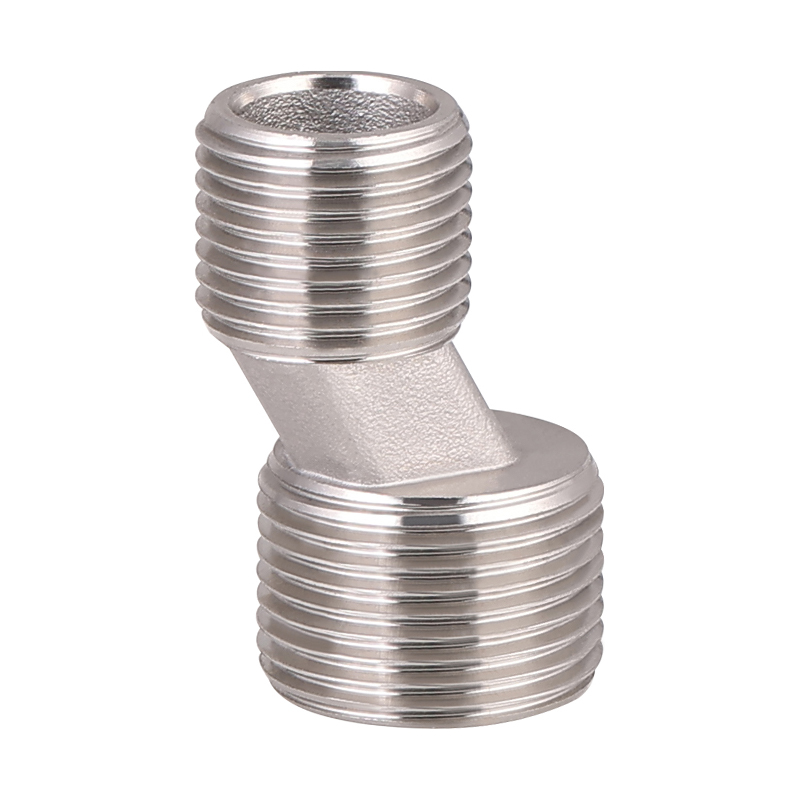
| Nipple (connector) | Short threaded pipe section connecting two female-threaded fittings or extending a connection | 1/2 inch or 3/4 inch BSP or NPT | Select correct length for the gap being bridged |
| Wall inlet fitting | Threaded fitting embedded in wall during construction or renovation to provide the supply connection point for the faucet body | 1/2 inch BSP female | Must be set at correct depth and spacing for faucet body mounting |
| Escutcheon plate fitting | Decorative cover plate that conceals the wall penetration around the supply pipe, providing a finished appearance | Sized to pipe OD (typically 15mm or 22mm) | Match finish to faucet body (brushed, polished, or matte) |
| Union fitting | Three-part fitting allowing pipe sections to be disconnected without rotating the pipes, essential for serviceable connections behind faucet valves | 1/2 inch BSP or NPT | Use at faucet valve inlets to allow future valve removal without cutting pipe |
| Reducer fitting | Connects pipes or fittings of different sizes, commonly used when shower head arm is a different thread diameter from the supply line | 3/4 inch to 1/2 inch BSP common | Confirm both thread standards and sizes before ordering |
BSP vs NPT Thread Standards: Getting This Right Before You Buy
One of the most common and costly mistakes when purchasing stainless steel shower faucet fittings is ordering the wrong thread standard. BSP (British Standard Pipe) and NPT (National Pipe Thread) threads are not interchangeable, even though they are both described as 1/2 inch or 3/4 inch. BSP threads have a 55-degree thread angle, while NPT threads have a 60-degree angle. Attempting to join a BSP fitting to an NPT connection will result in cross-threading, incomplete engagement, and a joint that cannot be made leak-free with any amount of thread sealant.
BSP is the standard in the United Kingdom, Australia, most of Europe, and much of Asia. NPT is the standard in the United States and Canada. If you are purchasing fittings internationally or replacing fittings in a building of uncertain origin, verify the thread standard of your existing plumbing before ordering. A thread gauge tool available from plumbing suppliers for under $20 will definitively identify the standard in seconds.
How to Install Stainless Steel Shower Faucet Fittings Correctly
Tools and Materials Required Before You Start
- Adjustable wrench and a set of basin wrenches for confined spaces
- PTFE (polytetrafluoroethylene) thread seal tape, minimum 12mm wide, rated for hot and cold water service
- Pipe thread sealant compound for threaded connections that will be permanently fixed
- Spirit level for ensuring valve bodies and escutcheon plates are installed plumb and level
- Pipe cutter or hacksaw if new pipe sections need to be cut to length
- Pressure test gauge to verify the completed installation holds pressure before tiling or concealing pipework
Step-by-Step Installation of a Stainless Steel Shower Faucet Fitting
- Shut off the water supply to the shower circuit at the isolation valve or at the main stop cock. Open the existing shower faucet to release residual pressure in the line and confirm water flow has stopped completely before proceeding.
- Remove the existing fitting or prepare the new installation point. If replacing an existing fitting, use an adjustable wrench to unscrew the old fitting counterclockwise. Clean all thread surfaces of old sealant residue using a wire brush before fitting the new stainless steel component.
- Apply PTFE thread seal tape correctly. Wrap the tape clockwise around the male thread (looking at the end of the thread) so that the tape tightens rather than unravels as the fitting is screwed in. Apply three to five full wraps for standard fittings, pulling the tape firmly into the thread grooves as you wrap. Start the tape at the second thread from the end to prevent debris entering the pipe.
- Thread the fitting by hand first to confirm it engages correctly without resistance. If you feel immediate resistance on the first few turns, stop: this indicates cross-threading or mismatched thread standards. Never force a fitting with a wrench if hand-tightening reveals an alignment or thread match problem.
- Tighten with a wrench to the correct torque. For 1/2 inch stainless steel fittings, hand-tight plus approximately one to one and a half further turns with a wrench is the correct installation torque for PTFE-sealed connections. Overtightening stainless steel threaded fittings risks galling, a form of cold welding between the mating stainless steel surfaces that can make the fitting impossible to remove without damage.
- Restore water supply and pressure test before concealing. Turn the water supply back on slowly and inspect every new connection for seeping or dripping at the fitting joints. A joint that appears dry but has even the smallest seep will worsen over time. If any joint seeps, depressurize, disassemble, reapply PTFE tape, and reassemble before proceeding.
- Install escutcheon plates and finish surfaces only after the pressure test confirms all connections are leak-free. Escutcheon plates are typically pressed onto the pipe after the fitting is installed and held by friction or a small securing screw. Ensure they sit flush against the wall surface with no gaps at the perimeter.
The Galling Problem with Stainless Steel: How to Prevent It
Galling is a specific risk with stainless steel threaded fittings that does not occur with brass fittings. When two stainless steel threaded surfaces are tightened under pressure, the passive oxide layers on each surface can break down at the contact points, causing the bare metal surfaces to momentarily weld together and then tear as tightening continues. This leaves a roughened, damaged thread surface and can seize the fitting completely.
The most effective prevention measures are: always apply PTFE tape or an anti-gall lubricant such as a molybdenum disulfide-based paste to all stainless steel threads before assembly, tighten slowly and steadily without jerking the wrench, and never use an impact wrench on stainless steel fittings. If a stainless steel fitting begins to feel increasingly difficult to turn before reaching the correct installation position, stop immediately, back the fitting off completely, inspect the threads, and re-lubricate before attempting to retighten.
Comparing Stainless Steel Shower Faucet Fitting Against Other Materials
| Property | Stainless Steel (304 or 316) | Brass | Chrome-Plated Zinc Alloy | Plastic (ABS or PVC) |
|---|---|---|---|---|
| Corrosion resistance | Excellent (self-healing oxide layer) | Good (dezincification risk in soft water) | Poor (zinc corrodes rapidly once chrome flakes) | Excellent (no metal to corrode) |
| Tensile strength | 515 MPa | 310 to 380 MPa | 250 to 300 MPa | 40 to 80 MPa |
| Lead content risk | None | Present in leaded brass alloys | Low but varies by alloy | None (metal-free) |
| Expected service life | 20 to 30 or more years | 15 to 25 years | 3 to 8 years | 10 to 20 years (UV and heat dependent) |
| Hygienic surface properties | Excellent (non-porous, easy to clean) | Good | Moderate (pits once chrome fails) | Good when new, degrades with UV |
| Typical cost relative to brass | 10 to 30 percent higher | Reference price | 30 to 50 percent lower | 50 to 70 percent lower |
The data above confirms that while stainless steel shower faucet fittings carry a modest price premium over brass, they deliver superior strength, no lead leaching risk, and a longer service life. The chrome-plated zinc alloy fittings found on many low-cost shower sets are consistently the worst investment: they appear similar to stainless steel when new but begin failing within a few years as the chrome plating chips and the zinc substrate corrodes aggressively in the wet shower environment.
Maintaining Stainless Steel Shower Faucet Fittings for Decades of Performance
Routine Cleaning That Preserves the Surface Without Damaging It
Stainless steel shower faucet fittings are easier to maintain than most people expect. The primary maintenance requirement is removing hard water mineral deposits (calcium and magnesium scale) and soap scum before they build up to a level that requires abrasive removal. A weekly wipe with a damp microfiber cloth and a monthly treatment with a diluted white vinegar solution (1 part vinegar to 3 parts water) is sufficient to keep 304 or 316 grade fittings looking new for many years in most water conditions.
Avoid the following cleaning agents on stainless steel shower faucet fittings:
- Bleach and chlorine-based cleaners: chloride ions attack the passive oxide layer, particularly on 304 grade steel, and can initiate pitting corrosion in the fitting surface
- Steel wool or abrasive scouring pads: these scratch the surface, removing the polished layer and creating microscopic grooves where mineral deposits and bacteria accumulate more readily
- Concentrated acidic cleaners (such as undiluted descalers or rust removers): while dilute acids such as white vinegar are safe, concentrated acidic products can etch the stainless steel surface if left in contact for extended periods
When to Inspect and When to Replace a Stainless Steel Shower Faucet Fitting
A quality stainless steel shower faucet fitting should require no replacement for 15 to 20 years under normal use. Annual inspection should look for:
- Any brown discoloration around the fitting base or on the surface, which could indicate iron contamination from corroding components elsewhere in the plumbing system depositing onto the stainless surface rather than actual corrosion of the fitting itself
- Weeping or mineral crust around a threaded connection, indicating the thread seal is beginning to fail and the joint needs resealing before a larger leak develops
- Any visible pitting on the fitting surface (small dark craters in the metal), which indicates chloride corrosion and warrants upgrading to 316 grade in that environment
- Loose escutcheon plates or decorative covers that have separated from the wall surface, creating a pathway for water ingress behind the tile that causes structural damage to the wall substrate
Frequently Asked Questions
1. What is a stainless steel shower faucet fitting and what does it include?
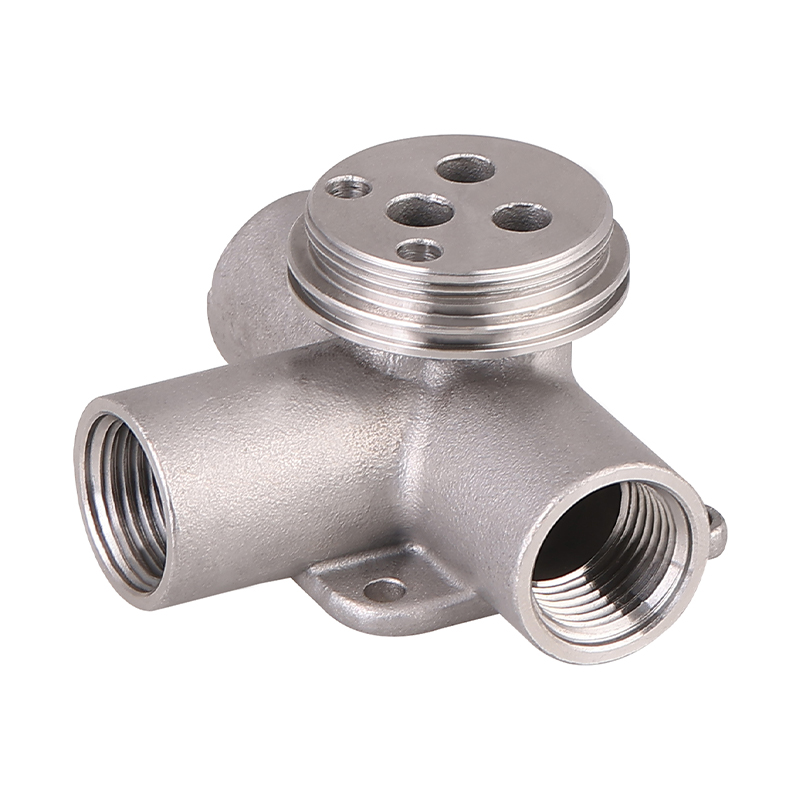
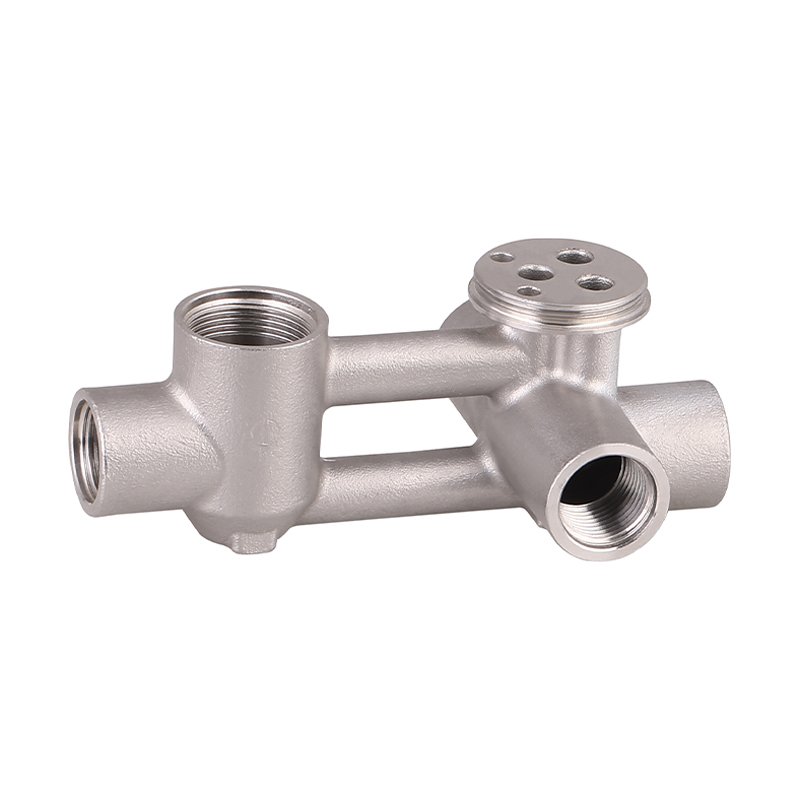
A stainless steel shower faucet fitting refers to any of the connecting components in a shower water supply system that are manufactured from stainless steel. This includes wall inlet fittings, elbow and tee pipe fittings, nipple connectors, union fittings, reducer fittings, escutcheon cover plates, and in some product ranges the faucet valve body itself. The term covers both the functional plumbing connections and the decorative cover components that give the shower installation its finished appearance.
2. Is 304 or 316 stainless steel better for shower faucet fittings?
For most inland residential shower installations with standard municipal water, 304 grade is entirely adequate and the appropriate cost-effective choice. 316 grade provides superior resistance to chloride-induced pitting corrosion and is worth the 15 to 30 percent price premium in coastal properties within 2 kilometers of the ocean, in areas with high-chlorine municipal water, or in commercial shower facilities with heavy daily usage and frequent chemical cleaning.
3. How do I know if my existing shower fittings use BSP or NPT threads?
The most reliable method is to use a thread gauge tool, available from plumbing suppliers for under $20. As a general geographic guide: BSP threads are standard in the UK, Europe, Australia, and most of Asia. NPT threads are standard in the USA and Canada. If the property was built or renovated using plumbing materials from a different country than where it is located, verify the thread standard directly rather than assuming it matches local convention.
4. Can I use stainless steel fittings with copper pipes?
Yes, with an important precaution. Direct contact between stainless steel and copper in a plumbing system creates a galvanic couple that can accelerate corrosion of the copper at the junction point. To prevent this, use a dielectric union fitting between the stainless steel fitting and the copper pipe section. A dielectric union incorporates an insulating washer and sleeve that electrically isolates the two dissimilar metals while maintaining a watertight connection. This precaution is particularly important in areas with soft or acidic water, which is more conductive and therefore more likely to drive galvanic corrosion.
5. Why does my stainless steel shower fitting have brown rust stains even though it is stainless?
Brown rust staining on a stainless steel shower faucet fitting is almost always iron contamination from corroding components elsewhere in the water supply system, such as an aging galvanized iron supply line or a corroding water heater element. The iron particles deposit on the passive stainless steel surface and rust there, giving the appearance that the stainless steel fitting itself is corroding. Clean with a diluted white vinegar solution or a proprietary stainless steel cleaner. If the staining recurs repeatedly, investigate the source of iron contamination in the supply line rather than continuing to clean the symptom.
6. How many turns of PTFE tape should I apply to stainless steel shower faucet fittings?
Apply three to five full wraps of PTFE tape to the male thread of any stainless steel shower faucet fitting before assembly. Wrap clockwise as you look at the end of the thread so the tape tightens rather than unwraps as the fitting is screwed in. For fittings that will be disassembled occasionally (such as union fittings at valve inlets), three wraps is sufficient. For permanently installed fittings that will not be regularly removed, five wraps combined with a small amount of thread sealant compound provides the most reliable long-term seal.
7. Can stainless steel shower faucet fittings be used in high-pressure shower systems?
Yes. 304 grade stainless steel shower faucet fittings have a tensile strength of approximately 515 megapascals and are fully rated for domestic and commercial water supply pressures, which typically range from 1 to 6 bar (15 to 87 psi) for residential systems. High-pressure pump-fed shower systems operating up to 3 bar are entirely within the safe operating range of properly installed stainless steel fittings. Always verify that the specific fitting has a published pressure rating that exceeds your system's maximum operating pressure before installation in a pump-fed or high-pressure system.
8. How do I prevent galling when tightening stainless steel threaded fittings?
Galling is prevented by lubricating the threads before assembly. Apply PTFE tape as the primary sealant and lubrication measure, or add a small amount of molybdenum disulfide anti-seize paste to the threads if the fitting will be installed in a hot water line where temperatures exceed 60 degrees Celsius. Tighten slowly and steadily with a hand wrench rather than an impact tool, and stop immediately if you feel the fitting becoming harder to turn before reaching the correct installation position. If this occurs, reverse the fitting fully, inspect and clean the threads, and reapply lubricant before retrying.
9. What finish options are available for stainless steel shower faucet fittings?
Stainless steel shower faucet fittings are available in several standard surface finishes. Brushed (satin) finish is the most popular for modern bathrooms because it minimizes the appearance of water spots and fingerprints. Mirror polished finish provides a high-gloss appearance but requires more frequent cleaning to maintain. Matte or powder-coated finishes in black, gunmetal, or other colors are also available on premium fitting ranges. All finishes are applied to the same grade of base stainless steel, so the grade selection remains the critical performance specification regardless of the chosen finish.
10. How do I remove a stainless steel shower faucet fitting that has seized after years of installation?
A seized stainless steel fitting that has not galled should respond to penetrating oil applied to the thread junction and left to soak for 30 to 60 minutes before attempting removal with a firmly held adjustable wrench. Apply steady counterclockwise torque rather than jerking, as jerking can shear the fitting. If the fitting has galled (the threads have cold-welded), the safest approach is to cut the fitting body with an angle grinder or oscillating multitool rather than applying increasing force that risks damaging the pipe or wall inlet to which it is connected. Replace with a new fitting and ensure proper thread lubrication during assembly to prevent recurrence.