Español
 عربى
عربى
 Deutsch
 русский
 Français

The selection of drainage components in luxury residential properties and sophisticated commercial buildings is a task that requires a balance between hydraulic efficiency and visual harmony. Among the various materials used for these critical fixtures, the bronze strainer floor drain has remained a constant preference for architects who prioritize longevity and a timeless aesthetic. Unlike standard plastic or lightweight metal alternatives, bronze offers a level of durability and material integrity that is necessary for environments exposed to constant moisture and foot traffic. This detailed analysis explores the metallurgical advantages, engineering precision, and design versatility that define high quality bronze drainage solutions in modern construction.
The Metallurgical Superiority of Bronze in Wet Environments
To understand why a bronze strainer floor drain is superior to other options, one must examine the physical and chemical properties of the alloy itself. Bronze is primarily composed of copper and tin, which creates a material that is exceptionally resistant to the various forms of corrosion found in plumbing systems. In areas like bathrooms, high end spas, and commercial kitchens, floor drains are subjected to a constant barrage of water, cleaning chemicals, and organic waste. Bronze stands up to these challenges without the risk of structural degradation or the unsightly rusting often associated with lower grade ferrous metals.
The natural oxidation process of bronze is one of its most valuable technical features. When exposed to the atmosphere and moisture, bronze develops a microscopic protective layer known as a patina. This layer is chemically stable and prevents further corrosion from reaching the core of the metal. In coastal regions where high salinity levels in the air can quickly destroy standard metal fixtures, the use of bronze provides a reliable barrier against atmospheric salt. This metallurgical stability ensures that the internal threads and mounting surfaces of the drain remains functional for many decades, allowing for easy maintenance and component replacement if needed.
Furthermore, bronze possesses inherent antimicrobial properties due to its high copper content. In a drainage environment where bacteria and biofilm can accumulate, the surface of a bronze strainer floor drain actively works to inhibit the growth of harmful microorganisms. This is a critical consideration for hospital environments or public locker rooms where hygiene is a primary concern. By selecting a material that contributes to the sanitary condition of the facility, architects can provide an extra layer of protection for the building occupants while maintaining a high standard of material quality.
Advanced Design and Aesthetic Integration in Luxury Spaces
The visual appeal of a bronze strainer floor drain is often the primary reason it is specified in luxury interior design. The warm and rich tones of bronze complement a wide variety of natural stone and high end tile materials. Whether the design theme is a classical historic restoration or an ultra minimalist contemporary space, there is a bronze finish that enhances the overall spatial character. Manufacturers offer several surface treatments, including oil rubbed bronze, brushed bronze, and satin finishes, each providing a unique interaction with the surrounding light and materials.
In high end bathroom design, every detail is scrutinized for its contribution to the aesthetic narrative. A standard industrial drain can detract from the beauty of a marble floor, whereas a decorative bronze floor drain becomes an integrated design element. The heavy and solid feel of a bronze strainer conveys a sense of permanence and quality that is tactilely perceptible. This is particularly important in hospitality settings such as five star hotels, where the quality of the fixtures serves as a direct reflection of the brand's commitment to excellence.
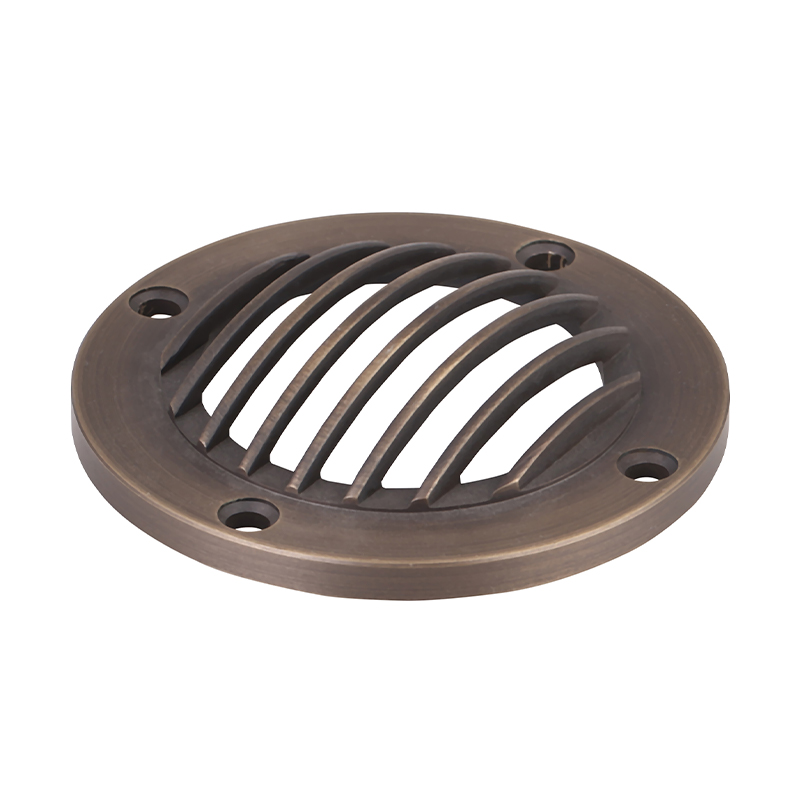
The versatility of bronze allows for intricate casting patterns that are not possible with stamped stainless steel. Designers can specify custom grate patterns that match the geometric motifs found in other parts of the building. From classic square apertures to ornate scrollwork, the bronze strainer can be customized to serve as a subtle accent or a focal point. Because bronze is a non ferrous metal, these decorative finishes will not flake or peel away over time, ensuring that the visual integrity of the floor remains intact despite years of heavy use and regular cleaning.
[Image Placeholder: A close up photo showing the intricate cast pattern of a bronze strainer floor drain set into a luxury marble tile floor]
Engineering Precision of the Strainer and Grating Mechanism
The functional heart of a bronze strainer floor drain is the grating system that filters debris while allowing for maximum water flow. Engineering this component requires a precise calculation of the open area ratio to ensure that the drain can handle the required hydraulic load without causing pooling on the floor surface. The strainer is designed to capture hair, lint, and larger particles that could otherwise cause blockages deep within the plumbing lines. By trapping these materials at the surface, the bronze strainer makes maintenance simple and prevents the need for expensive professional pipe clearing.
The thickness of a bronze grate is a key factor in its structural performance. In commercial environments where heavy carts or high volumes of pedestrian traffic are expected, the grate must resist bending and deformation. Bronze has a high tensile strength and a natural rigidity that allows it to maintain its flat profile even under significant weight. This prevents the creation of tripping hazards and ensures that the grate remains securely seated within its frame. The precision machining of the frame and grate interface ensures a flush fit with the surrounding floor, which is essential for both safety and the smooth transition of wheeled equipment.
Another critical engineering feature is the securement method for the strainer. Many high quality bronze drains utilize vandal resistant screws or specialized locking mechanisms to prevent unauthorized removal of the grate. This is particularly important in public spaces where the loss of a drain cover could lead to accidents or the intentional disposal of large objects into the sewer system. The threads for these fasteners are often machined directly into the bronze body, benefiting from the metal's natural lubricity and resistance to seizing. This ensures that the screws can be removed easily by maintenance staff when it is time to clean the internal trap.
Installation Protocols and Compatibility with Modern Waterproofing
The long term success of a bronze strainer floor drain installation depends heavily on its integration with the building's waterproofing system. Modern construction often utilizes liquid applied membranes or sheet membranes to prevent water from penetrating the subfloor and causing structural damage. A professional grade bronze floor drain is designed with a wide flange that provides an ideal surface for these waterproofing materials to bond with. This creates a continuous and impermeable barrier that directs all moisture into the drainage pipe.
During the installation process, the bronze drain body is typically set into a mortar bed or a structural concrete slab. The weight and stability of the bronze ensure that it remains level and centered during the pouring and curing of the floor material. For adjustable height applications, bronze drains often feature threaded collars that allow the installer to fine tune the final elevation of the strainer to match the exact thickness of the finished tile or stone. This level of adjustability is crucial for achieving a perfectly flat floor surface that promotes efficient water runoff toward the drain.
The connection between the bronze drain body and the plumbing stack is another area where engineering quality is paramount. Bronze drains are available with a variety of outlet configurations, including threaded, no hub, or solvent weld connections, making them compatible with PVC, cast iron, and copper piping systems. Because bronze has a similar thermal expansion coefficient to many common building materials, it is less likely to cause stress cracks in the surrounding floor or the pipe connections during temperature fluctuations. This mechanical compatibility reduces the risk of leaks at the most vulnerable point of the drainage system.
[Image Placeholder: A technical diagram showing the cross section of a bronze floor drain integrated with a liquid waterproofing membrane and luxury floor tile]
Maintenance Strategies for Sustaining Bronze Drainage Systems
Maintaining a bronze strainer floor drain is a straightforward process that, when performed regularly, ensures the fixture remains functional for many decades. Unlike chrome plated or painted drains, the finish on a bronze drain is often integral to the metal itself or is a chemically bonded surface treatment. This means that the drain can be cleaned with standard non abrasive solutions without the risk of damaging the appearance. Regular cleaning involves removing the strainer to clear away any accumulated debris and wiping down the surface to prevent the buildup of mineral deposits from hard water.
In commercial kitchens or industrial settings where grease and oils are present, the bronze strainer provides a durable surface that can withstand the use of degreasing agents. The heavy weight of the bronze grate makes it easy to handle during cleaning cycles, and its robust construction means it can be scrubbed thoroughly without fear of causing scratches or structural weakness. For drains with an oil rubbed bronze finish, an occasional application of a light mineral oil can help to maintain the depth of the color and provide an extra layer of moisture protection.
If the bronze develops a heavier patina than desired, it can be restored to its original luster using specialized metal polishes. However, many architects and building owners prefer to let the natural aging process take its course, as the evolving color of the bronze adds a sense of history and character to the building. The ability of the material to be both restored and allowed to age gracefully is a unique benefit that sets bronze apart from modern synthetic materials that often look aged and worn once their initial surface finish is compromised.
Material Performance and Comparison of Floor Drain Solutions
The following table provides a descriptive comparison of how bronze floor drains perform relative to other common materials used in the construction industry.
|
Material Category |
Structural Durability and Longevity |
Corrosion Resistance Performance |
Aesthetic and Design Flexibility |
Maintenance and Lifecycle Value |
|---|---|---|---|---|
|
Architectural Bronze |
Exceptional strength and resistance to deformation under heavy foot traffic |
Superior resistance to chemicals and salt water with a self protecting patina |
High aesthetic value with multiple luxurious finishes and custom patterns |
Extremely long lifespan with minimal need for replacement or repair |
|
Stainless Steel |
High strength but prone to scratches and localized pitting in certain environments |
Good resistance to most chemicals but can show signs of tea staining near coasts |
Modern and clean look but lacks the warm tones required for classical designs |
Requires regular polishing to maintain the original surface appearance |
|
Cast Iron |
Very heavy and strong but susceptible to internal and external oxidation |
Must be coated to prevent rust which can fail over time leading to leaks |
Industrial and utilitarian appearance typically hidden under floors |
High maintenance requirements for the protective coatings to prevent failure |
|
Molded Plastic |
Lightweight and easy to install but can crack or warp under thermal stress |
Completely resistant to corrosion but subject to chemical degradation |
Limited design options usually reserved for low cost residential projects |
Low initial cost but prone to failure and needs frequent replacement |
|
Brass Alloy |
Similar to bronze but can be more susceptible to dezincification in hard water |
Good resistance but slightly less stable than high tin bronze alloys |
Excellent for gold toned finishes and intricate decorative moldings |
Good value but requires careful selection of the specific alloy grade |
Hydraulic Efficiency and Flow Rate Optimization
A critical aspect of any drainage fixture is its ability to move water away from the floor surface as quickly as possible. The hydraulic performance of a bronze strainer floor drain is determined by the size and shape of the apertures in the grate. Engineers utilize fluid dynamics to design strainer patterns that minimize turbulence and prevent air binding, which can slow down the drainage process. A well designed bronze grate allows for a laminar flow of water, maximizing the volume of liquid that can enter the trap per second.
In residential shower applications, the drain must be able to handle the output of high flow rain heads and multiple body sprays. A bronze strainer with a high open area ratio ensures that water does not back up and overflow the shower curb. In commercial settings, such as professional kitchens or food processing plants, the drain must be able to handle sudden surges of water during cleaning cycles. The heavy duty nature of a bronze drain allows it to be manufactured with larger diameters and deeper sumps to accommodate these high volume requirements without compromising the structural integrity of the floor.
The internal geometry of the bronze drain body also contributes to its hydraulic efficiency. Smooth internal surfaces and rounded transitions reduce the friction of the water as it moves toward the outlet. This prevents the accumulation of sediment and sludge within the drain body, which can lead to odors and reduced flow over time. By combining a high performance strainer with a scientifically designed body, bronze drains provide a reliable and efficient solution for the most demanding architectural applications.
Acoustic Dampening and Noise Reduction in Multi Story Buildings
In luxury multi story residential and hotel projects, the management of acoustic privacy is a primary design goal. The movement of water through drainage pipes can create significant noise that travels through the building structure. A bronze strainer floor drain contributes to noise reduction in several ways. Due to its high density and mass, bronze has natural acoustic dampening properties. It is less likely to vibrate or resonate when water falls onto the grate or flows through the drain body compared to lightweight plastic or thin stamped metal drains.
The solid construction of the bronze drain helps to isolate the mechanical noise of the water from the surrounding floor assembly. When combined with proper acoustic insulation around the plumbing pipes, a bronze drain ensures a much quieter environment for the occupants in the rooms below. This is a subtle but vital quality that contributes to the overall sense of luxury and comfort in a high end property. Architects who focus on the sensory experience of a space recognize that the weight and material quality of fixtures like floor drains have a direct impact on the perceived quality of the building.
Furthermore, the secure fit of the bronze grate within its frame prevents the rattling or clicking sounds that can occur when people walk over a loose or lightweight drain cover. The precision machining and the use of heavy fasteners ensure that the drain remains silent and stable under all conditions. This attention to mechanical detail is what differentiates a professional architectural bronze drain from a standard commodity fixture. By minimizing both the sound of water flow and the mechanical noise of foot traffic, bronze drains help to maintain the serene atmosphere expected in premium architectural environments.
Environmental Sustainability and Recyclability of Bronze Components
Modern architecture is increasingly focused on the environmental impact of building materials. Bronze is an inherently sustainable material because it is highly recyclable. Most bronze strainer floor drains are manufactured using a significant percentage of recycled copper and tin. At the end of a building's lifecycle, which may be a century or more in the case of bronze fixtures, the metal can be recovered, melted down, and used to create new high quality products without any loss of its physical properties.
The longevity of bronze also contributes to its sustainability. Because a bronze drain does not need to be replaced every decade due to corrosion or failure, it significantly reduces the total material consumption of a building over its lifespan. The energy and resources required to manufacture, transport, and install multiple cheap plastic drains over fifty years far exceed the impact of a single high quality bronze drain that lasts for the same period. By specifying bronze, architects are making a choice that supports long term material efficiency and reduces the volume of waste sent to landfills.
The chemical stability of bronze also means that it does not leach harmful substances into the wastewater stream. Unlike some plastics that can release bisphenols or other chemicals, or coated metals that can shed flakes of lead based paint or heavy metals, bronze remains inert. This makes it a safe choice for projects that prioritize indoor environmental quality and the health of the surrounding ecosystem. The integration of bronze drainage solutions is a practical way to align luxury architectural design with the principles of environmental responsibility.
The bronze strainer floor drain stands as a testament to the enduring value of high quality materials in the construction industry. By providing a solution that excels in corrosion resistance, aesthetic versatility, and hydraulic performance, it meets the rigorous demands of modern architectural projects. Whether selected for its beautiful aging process, its structural strength, or its contribution to building acoustics, bronze remains the gold standard for floor drainage. As designers continue to push the boundaries of interior and exterior spaces, the strategic use of bronze components ensures that the functional aspects of a building remain as beautiful and reliable as its visual elements.