Español
 عربى
عربى
 Deutsch
 русский
 Français

Choosing the correct plumbing components for a home renovation project is a decision that affects both the aesthetic appeal and the long term structural integrity of your property. Among the various options available in the modern plumbing market, the stainless steel shower faucet fitting has emerged as an industry standard for homeowners, contractors, and designers alike. The bathroom is an environment characterized by constant exposure to moisture, fluctuating temperatures, and chemical cleaning agents. Consequently, the fixtures installed in this space must possess exceptional resistance to wear and environmental degradation.
Many people overlook the importance of the internal and external fittings that connect their shower systems to the main water supply lines. A minor failure in a low quality adapter or valve can lead to catastrophic water damage behind tiled walls, resulting in expensive repair bills. By focusing on high quality materials such as stainless steel, you ensure that your shower system remains leak free and visually appealing for decades. This article explores the architectural details, performance benefits, selection criteria, installation procedures, and maintenance protocols associated with these essential plumbing components.
Understanding the Core Architecture of Stainless Steel Shower Faucet Fittings
To make an informed purchasing decision, it is necessary to understand what makes stainless steel the preferred alloy for modern plumbing components. Not all metallic fittings are created equal, and the performance of your shower hardware depends heavily on the specific grades of steel used and the precision engineering of the individual parts.
The Metallurgy of Stainless Steel Grades in Plumbing Application
The mechanical properties of stainless steel are determined by its chemical composition. In the plumbing industry, the two most common grades utilized for manufacturing a stainless steel shower faucet fitting are grade 304 and grade 316. Grade 304 contains high levels of chromium and nickel, which provide exceptional resistance to oxidation and rust. When exposed to oxygen, the chromium in the alloy forms an invisible, self-healing passive layer of chromium oxide on the surface of the metal. This barrier prevents oxygen and water from reaching the underlying steel, thereby stopping the corrosion process before it can begin.
For environments with high exposure to chlorides or harsh cleaning chemicals, grade 316 stainless steel offers an even higher level of protection. Grade 316 contains molybdenum, an addition that significantly enhances the resistance of the metal to pitting and crevice corrosion. While grade 304 is highly suitable for standard residential applications, grade 316 is frequently utilized in luxury installations, coastal homes, and commercial settings where the water chemistry might be more aggressive. Both grades provide a sturdy foundation that eliminates the risk of structural failure under pressure.
Essential Components of a Complete Shower Faucet System
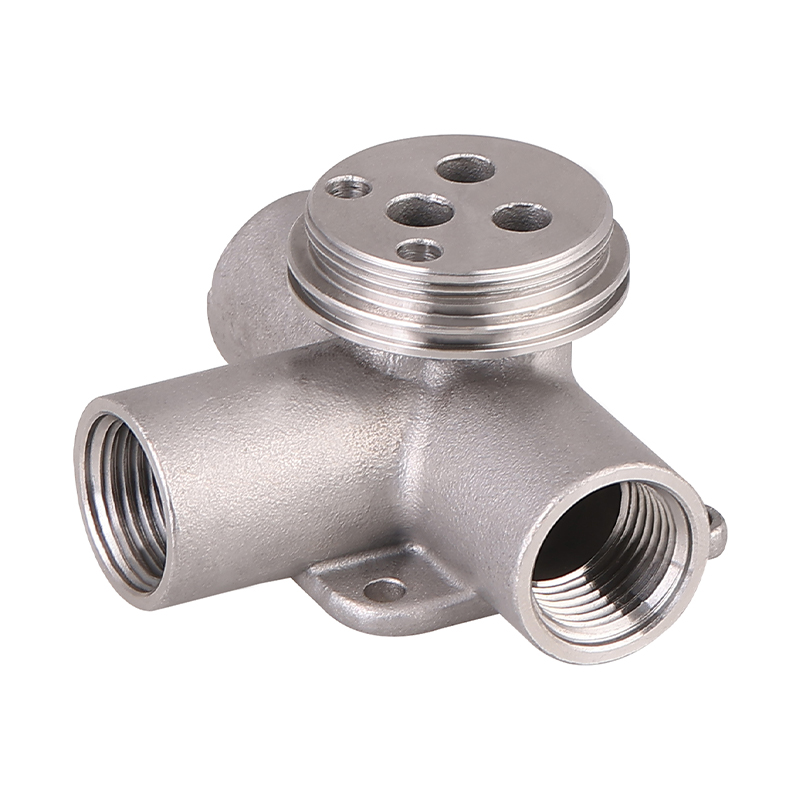
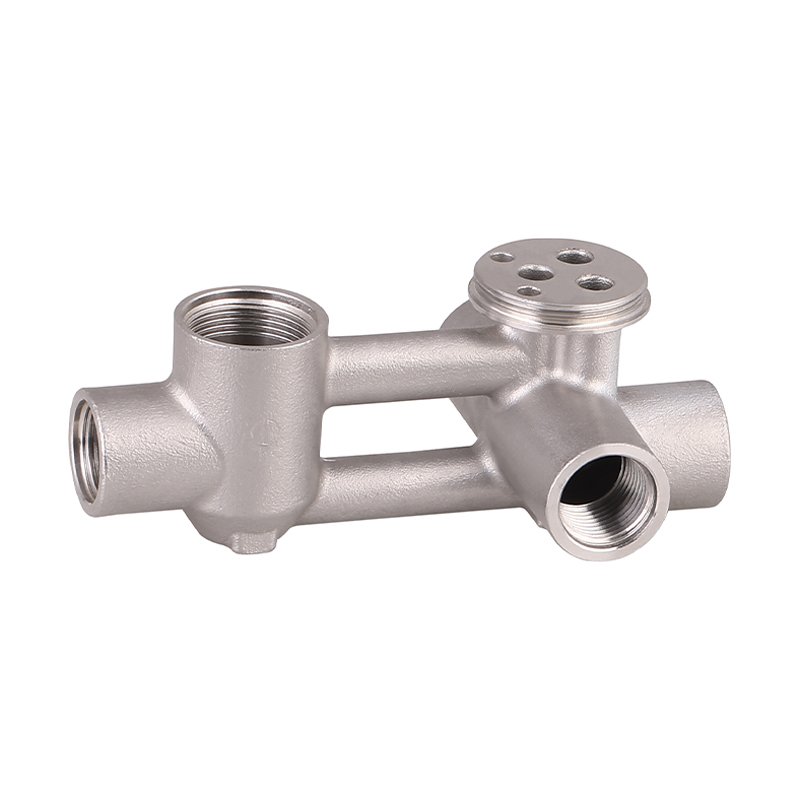
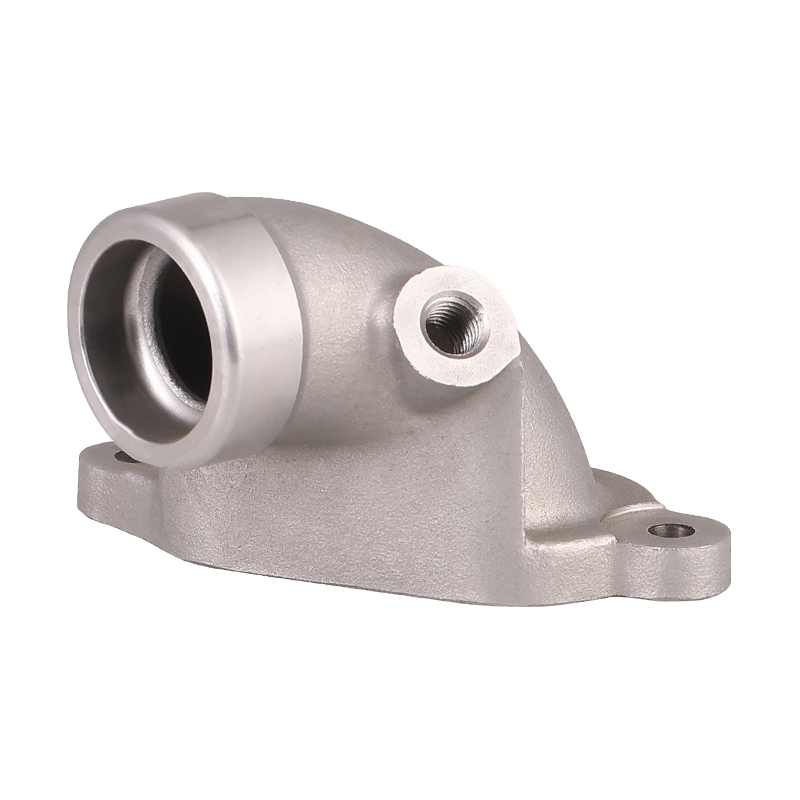
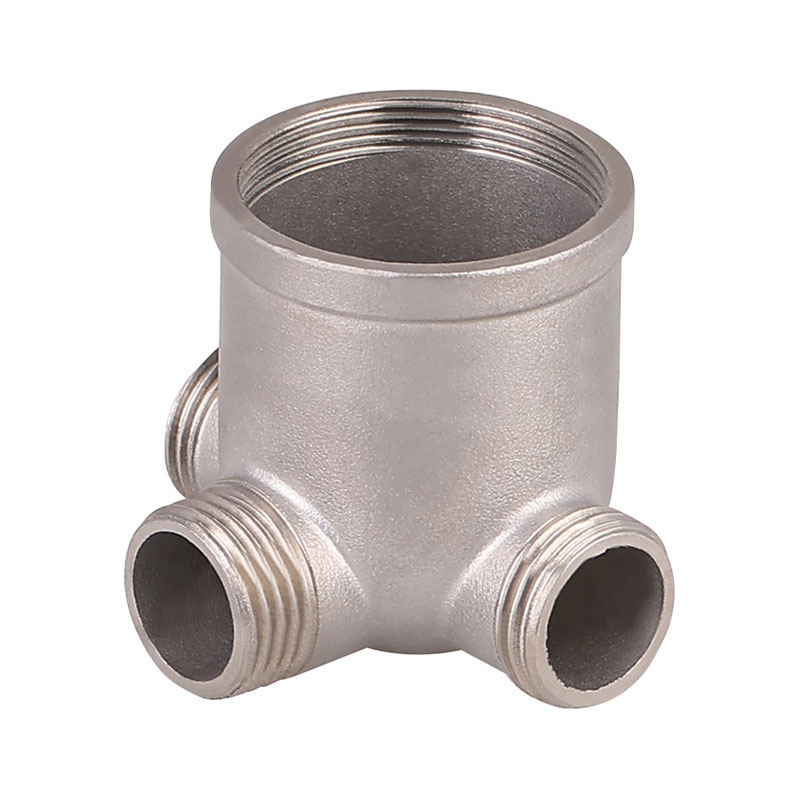
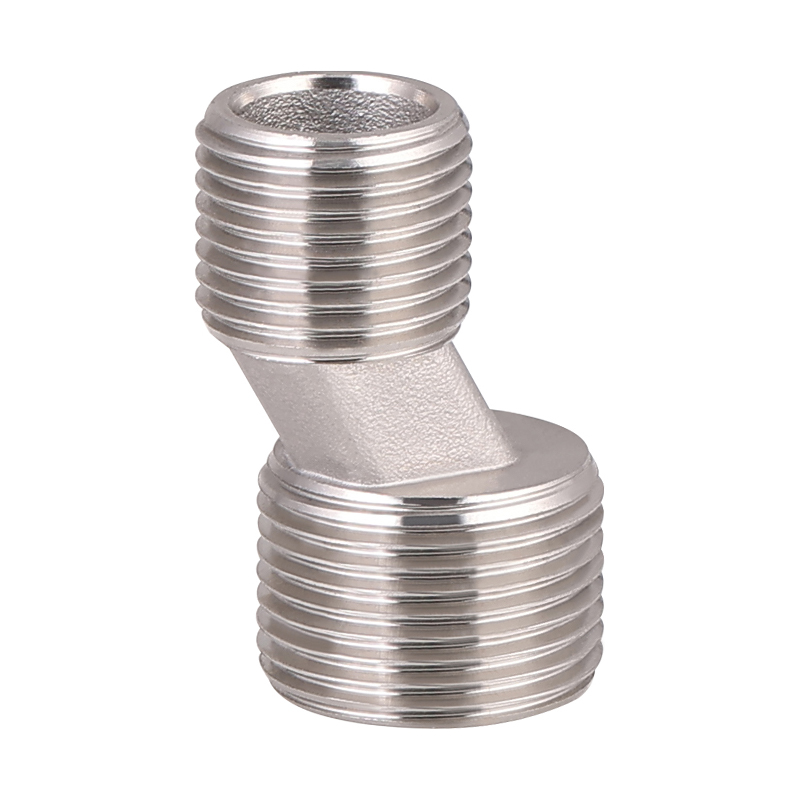
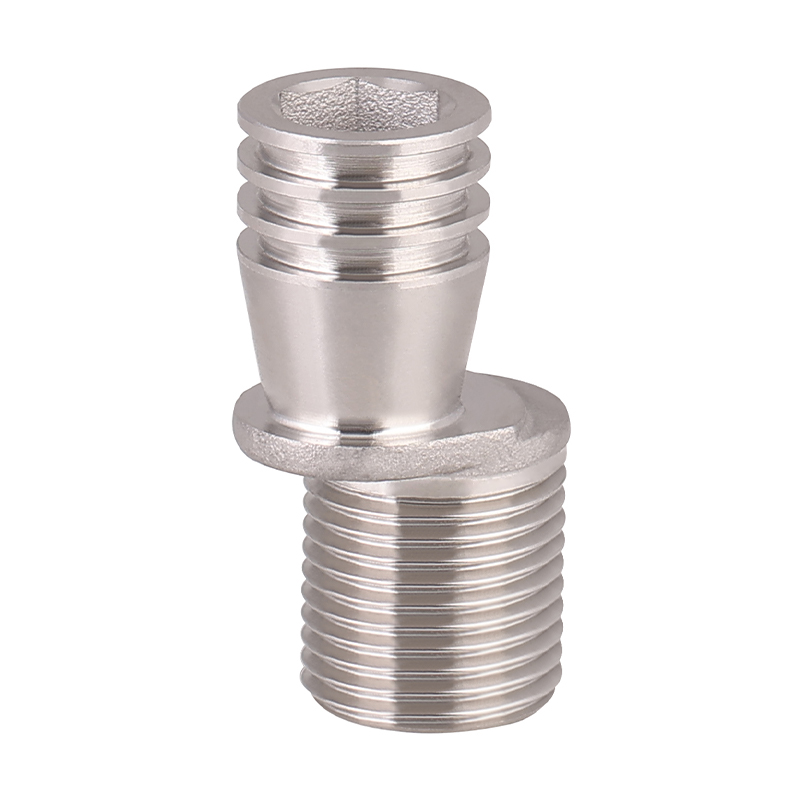
A fully functional shower setup relies on a network of interconnected parts working in unison. The term fitting encompasses several distinct pieces, each playing a critical role in controlling, directing, and securing the flow of water. The core component is the shower mixer valve body, which houses the cartridge responsible for blending hot and cold water to the desired temperature. Connecting to this valve body are threaded adapters and connector elbows that bridge the gap between the main water supply lines and the shower trim.
Other vital fittings include the shower arm flange, the escutcheon plate, and the wall mounted shower mixer adapter. The wall mounted shower mixer adapter is especially important because it allows installers to secure the heavy faucet assembly directly to the wall studs while maintaining a watertight connection with the copper or cross-linked polyethylene pipes behind the wall. The escutcheon plate serves as a protective cover that conceals the rough opening in the tile, preventing moisture from entering the wall cavity. Each of these components must be manufactured with precise threading and consistent wall thickness to ensure a secure fit.
The Tangible Benefits of Stainless Steel Over Traditional Materials
For many years, brass and zinc alloys were the dominant materials used in bathroom plumbing. While these materials are still common, stainless steel has steadily gained market share due to its superior physical and chemical properties. Comparing these materials reveals why stainless steel represents a superior investment for modern residential applications.
Outstanding Resistance to High Humidity and Chemical Corrosion
The bathroom is one of the most demanding environments in any building. Daily showers create a high humidity environment, and the surfaces of your plumbing fixtures are constantly exposed to soaps, acidic shampoos, hard water minerals, and chlorine from the municipal water supply. Traditional brass fittings can suffer from a process known as dezincification, where the zinc is leached out of the alloy, leaving a porous, weakened copper structure that eventually leaks. Zinc alloy fittings are even more vulnerable, often suffering from surface pitting and peeling finishes within a few years of installation.
A corrosion resistant shower components system made of high grade stainless steel is virtually immune to these degradation mechanisms. Stainless steel does not rely on an electroplated surface coating to protect itself from rust. Instead, its corrosion resistance is inherent throughout the entire thickness of the material. If the surface of a brushed stainless steel shower trim kit becomes scratched, the exposed metal immediately reacts with oxygen to reform the protective passive layer, ensuring that the scratch does not become a starting point for rust or tarnish.
Complete Absence of Lead and Protection of Household Health
Water safety is a paramount concern for modern households. Traditional plumbing brass, even when labeled as lead free under current regulations, can still contain trace amounts of lead to improve machinability during the manufacturing process. Over time, these trace metals can leach into the water column, posing potential health risks to family members who use the water for bathing, brushing teeth, or washing.
Stainless steel is an inherently lead free bathroom plumbing fixtures material. It contains no added lead, making it completely safe for contact with potable water. By choosing a stainless steel shower faucet fitting, you eliminate the risk of heavy metal contamination in your personal hygiene water supply. This safety aspect makes stainless steel the material of choice for hospitals, food processing facilities, and health conscious homeowners who want to ensure the highest standards of water purity.
Structural Integrity Under Intense Water Pressure and Thermal Stress
Plumbing systems are subject to constant physical stress. Water hammer, which is a sudden pressure surge that occurs when a valve is closed rapidly, can exert massive forces on joints and fittings. Additionally, the rapid transition from cold water to hot water causes thermal expansion and contraction in the metal components. Over time, this thermal cycling can weaken softer metals like copper and brass, leading to stress cracks and structural failures.
Stainless steel possesses a significantly higher tensile strength and yield strength compared to brass and copper. It can withstand extreme internal pressures without deforming or cracking. This structural resilience is particularly crucial for a heavy duty shower valve replacement, where the valve is buried deep within the wall cavity and any structural failure would require tearing out expensive tiling to repair. Furthermore, the low thermal expansion rate of stainless steel ensures that the threaded connections remain tight and stable despite constant temperature fluctuations.
|
Material Type |
Corrosion Resistance |
Structural Strength |
Lead Safety Level |
Maintenance Difficulty |
|---|---|---|---|---|
|
Stainless Steel |
Outstanding and long lasting |
High tensile strength and impact resistance |
Completely lead free and safe for drinking water |
Low requiring only simple cleaning |
|
Solid Brass |
High but susceptible to dezincification |
Moderate durability |
May contain trace amounts of lead |
Moderate due to potential tarnishing |
|
Zinc Alloy |
Low to moderate over time |
Low strength easily cracked |
Variable safety profiles |
High prone to pitting and finish peeling |
Key Factors to Consider When Selecting Your Shower Faucet Fittings
Selecting the right components requires a thorough evaluation of both technical specifications and design elements. To ensure a seamless installation and long term satisfaction, you must match the physical characteristics of the fittings with your existing plumbing infrastructure and personal aesthetic preferences.
Plumbing System Compatibility and Standardized Thread Connections
Before purchasing any fittings, you must verify the type and size of the pipes in your home. Plumbing systems typically utilize National Pipe Thread or G threads to connect valves and adapters. A mismatched thread can lead to cross-threading, stripped joints, and persistent slow leaks that are difficult to detect until major damage has occurred.
If you are replacing an older brass or copper system, you may need a specialized wall mounted shower mixer adapter to transition smoothly to the new stainless steel hardware. It is critical to ensure that the threads are clean and free of burrs before assembly. Utilizing high quality thread sealant tape or paste specifically rated for stainless steel is essential, as stainless steel threads can sometimes undergo a process called galling, where the friction of tightening causes the metal surfaces to bind and weld together. Proper lubrication and careful hand-tightening before using a wrench can prevent this issue.
Water Flow Rates and Eco Friendly Aerator Integration
Modern building codes place strict limitations on the volume of water that a shower head can discharge per minute. These regulations are designed to conserve water and reduce energy consumption associated with heating water. A well-designed stainless steel shower faucet fitting will incorporate internal water-saving mechanisms, such as flow restrictors or aerators, that mix air with the water stream to maintain a strong, satisfying pressure while reducing actual water volume.
When selecting a shower mixer valve, consider whether it features a pressure-balancing or thermostatic cartridge. A pressure-balancing valve protects against sudden changes in water temperature when other appliances in the house are used. For instance, if a toilet is flushed, the valve instantly adjusts the hot water flow to match the temporary drop in cold water pressure, preventing accidental scalding. Thermostatic valves provide an even higher level of control by allowing you to set a precise temperature that remains constant throughout the entire duration of your shower.
Selection of Finishes and Architectural Design Aesthetics
While functional performance is critical, the visual appearance of your bathroom fixtures plays a major role in the overall ambiance of the space. Stainless steel offers a clean, contemporary aesthetic that complements a wide range of interior design styles, from minimalist industrial to warm transitional.
The most popular finish for this material is a brushed stainless steel shower trim kit. This finish is achieved by mechanically brushing the metal with fine abrasive belts, creating a subtle, directional pattern that diffuses light and helps to conceal water spots, fingerprints, and minor scratches. For those seeking a highly reflective look, polished stainless steel offers a mirror-like shine that resembles classic chrome but provides far greater depth and durability. Additionally, many premium brands utilize Physical Vapor Deposition technology to apply ultra-hard color coatings, such as matte black or brushed gold, directly onto the stainless steel surface, providing an incredibly durable finish that will not flake or wear away over time.
Detailed Installation Guide for Stainless Steel Shower Faucet Fittings
Installing a new shower faucet fitting requires precision, patience, and the correct sequence of actions. While complex installations are best left to licensed plumbing professionals, a confident homeowner with the proper tools can successfully complete a standard replacement by following these detailed guidelines.
Necessary Preparation Steps and Required Hand Tools
Before beginning the physical installation, gather all the necessary tools and materials to ensure the project proceeds without interruption. You will need an adjustable wrench, a strap wrench to protect the finished surfaces of the metal, thread sealant tape, a level, safety glasses, and silicone caulk.
The first and most important step is to shut off the main water supply to the bathroom or the entire house. Once the water is shut off, open the lowest faucet in the house to drain the remaining water from the pipes. Place a towel in the bottom of the shower tub to protect the basin from falling tools and to prevent small screws or parts from slipping down the drain. Remove the existing shower trim and unscrew the old valve assembly from the framing, taking care not to damage the supply lines behind the wall.
Securing the Valve Body and Aligning the Connections
Position the new stainless steel shower mixer valve body within the wall cavity, using the integrated mounting lugs to secure it firmly to a wooden cross-brace. The valve must be perfectly level and set at the correct depth relative to the finished tile surface. Most manufacturers provide a plastic plaster guard that wraps around the valve body to indicate the minimum and maximum depths allowed for the finished wall.
Apply thread sealant tape to the male threads of your water supply lines, wrapping the tape in a clockwise direction to ensure it does not unravel when you tighten the joint. Thread the connectors into the valve inlets by hand first to prevent cross-threading. Once hand-tight, use an adjustable wrench to snug the connections, being careful not to over-tighten, which can deform the internal gaskets or crack the threaded fittings. Connect the riser pipe that leads up to the shower head outlet and secure the top elbow fitting to the framing wall.
Fitting the Trim and Testing for Watertight Seals
With the valve body secured and the water lines connected, the next step is to seal the wall opening and install the aesthetic trim. Before applying the final silicone caulk and tile, it is critical to perform a pressure test to ensure there are no slow leaks within the wall cavity. Turn the main water supply back on and inspect all joints carefully for several minutes. Touch each connection with a dry paper towel to detect even the smallest trace of moisture.
Once you are confident that the system is completely watertight, complete the wall tiling and grouting. Apply a bead of high quality silicone caulk around the perimeter of the rough opening to prevent water from splashing behind the wall during a shower. Slide the brushed stainless steel shower trim kit escutcheon plate over the valve sleeve and press it firmly against the tiled wall. Secure the handle onto the valve stem using the provided set screw and hex key. Finally, screw the shower arm into the upper elbow fitting, slide the flange into place, and attach the shower head.
Professional Maintenance and Long Term Troubleshooting Procedures
Even the highest quality plumbing fixtures require occasional care to maintain their appearance and functional performance. By implementing a proactive maintenance routine, you can prevent common issues such as mineral build-up and mechanical wear, extending the lifespan of your fixtures.
Cleaning Methods to Eliminate Limescale and Water Spots
Hard water contains dissolved minerals such as calcium and magnesium. When water droplets evaporate on the surface of your brushed stainless steel shower trim kit, they leave behind white mineral deposits known as limescale. If left untreated, these deposits can dull the finish of the metal and clog the small spray nozzles in the shower head.
To clean your stainless steel fittings without causing damage, avoid using harsh chemicals such as bleach, ammonia, or abrasive scouring powders. These chemicals can disrupt the protective passive oxide layer on the steel, leading to surface discoloration. Instead, create a mild cleaning solution by mixing equal parts of warm water and white distilled vinegar. Dampen a soft microfiber cloth with the mixture and drape it over the affected areas for fifteen minutes to dissolve the minerals. Wipe the surface clean, rinse thoroughly with fresh water, and dry the fixtures completely with a soft towel to prevent new water spots from forming.
Step by Step Bathroom Faucet Cartridge Replacement
If you notice a steady drip coming from your shower head even when the handle is turned completely off, it is a clear sign that the internal cartridge has become worn or damaged by sediment. Knowing how to fix a leaking shower faucet through a cartridge replacement is a valuable skill that saves money on professional plumbing services.
First, turn off the water supply to the shower. Remove the small decorative index button on the handle to expose the set screw. Loosen the set screw with an allen wrench and pull the handle straight off the stem. Unscrew the outer sleeve and the retaining nut that holds the cartridge in place. Use a pair of pliers to grasp the plastic stem of the old cartridge and pull it firmly out of the valve body. Before installing the new bathroom faucet cartridge replacement, inspect the inside of the valve body and use a small brush to clean out any grit or mineral deposits. Apply a thin layer of plumbing grease to the rubber seals on the new cartridge, slide it into the valve body aligning the tabs, and reassemble the handle components.
Resolving Pressure Drop and Inconsistent Temperature Issues
A sudden drop in water pressure or difficulty in maintaining a stable water temperature is often caused by debris trapped within the shower system. Municipal water mains can occasionally release sand, rust flakes, or mineral scale, which travels through your home pipes and becomes lodged in the delicate internal mechanisms of your fittings.
To resolve a pressure drop, start by unscrewing the shower head from the shower arm. Inspect the small mesh screen inside the threaded inlet of the shower head. If this screen is filled with sediment, rinse it under running water and use an old toothbrush to clear the mesh. If the issue persists, the problem may lie within the pressure-balancing spool inside the mixer valve. Remove the handle and cartridge as described in the replacement section, and inspect the pressure-balancing unit. If the internal spool does not shake freely when you move the unit, it is clogged with scale and should be soaked in vinegar or replaced to restore proper temperature balancing and water flow.