Español
 عربى
عربى
 Deutsch
 русский
 Français

What is a Bronze Strainer Floor Drain? What Role Does It Play in Modern Bathroom Systems?
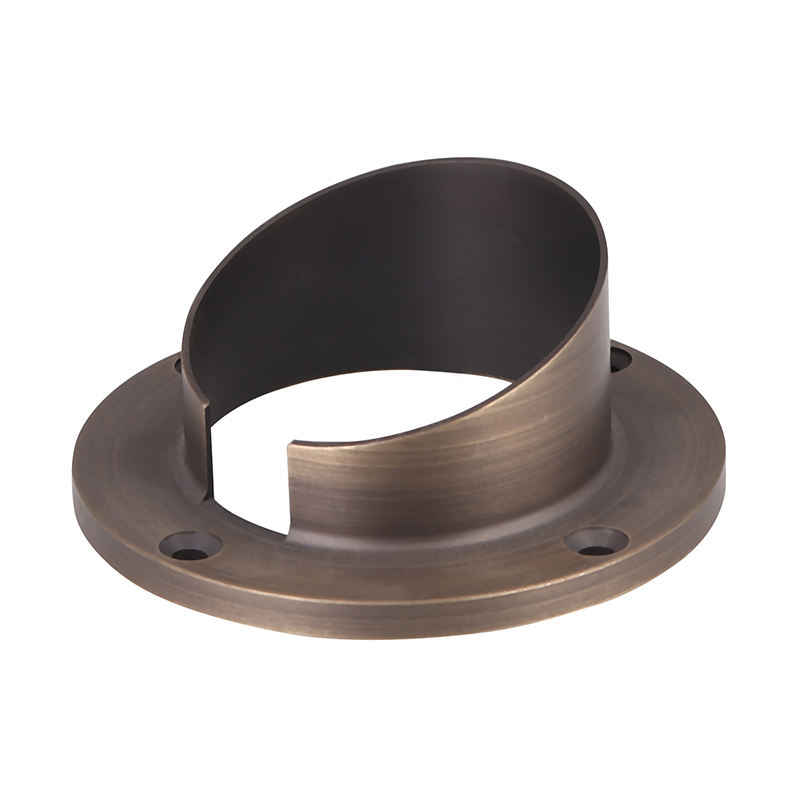
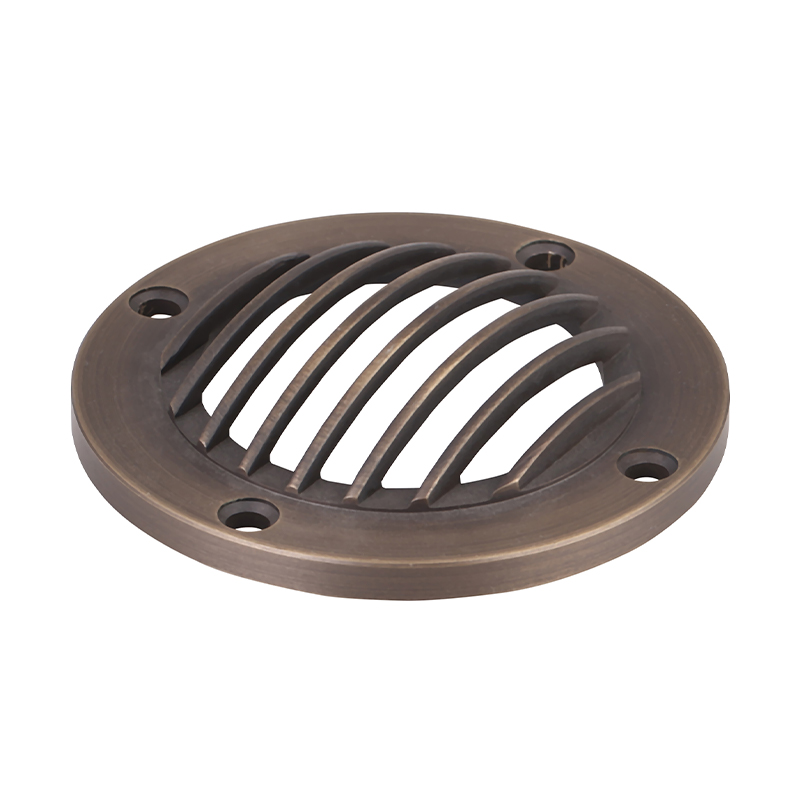
When discussing floor drain selection, the combination of material and filtration system is the key factor determining service life. A Bronze Strainer Floor Drain refers to a drainage system cast from high-purity copper-tin alloy and equipped with a precision strainer structure. It is responsible not only for swiftly directing water into the waste pipes but also for core functions in odor prevention, insect control, antimicrobial protection, and interior aesthetics.
What are the Core Advantages of Bronze Compared to Common Stainless Steel?
As one of the earliest alloys used in human history, bronze performs flawlessly in bathroom environments. Compared to 304 or 316 stainless steel, bronze floor drains exhibit more complex mechanical properties and chemical stability.
-
Advanced Corrosion Resistance and Chemical Stability: The bathroom environment is a challenging miniature chemical laboratory. It is subjected to high humidity, drastic temperature fluctuations, and high salinity from human sweat. More importantly, modern households frequently use potent shampoos, conditioners, body scrubs, and various chlorine-containing disinfectants. While stainless steel is claimed to be "rust-less," it is prone to pitting corrosion under long-term exposure to chlorine ions. In contrast, bronze spontaneously forms a dense, self-healing oxide protective layer when in contact with moisture and air. Even in seaside villas or high-frequency public shower rooms, this material ensures the floor drain body will not suffer structural embrittlement or leakage for decades.
-
Inherent Antimicrobial and Biofilm Control Properties: Drainage systems are prime locations for dirt accumulation. The interior of a floor drain is moist and nutrient-rich, making it an ideal breeding ground for thick biofilms—the source of odors and pathogenic bacteria. Medical research confirms that copper and its alloys possess a unique "oligodynamic effect" (micro-dynamic sterilization). When bacteria contact the bronze surface, copper ions penetrate the cell walls and disrupt their metabolic systems. This natural physical antimicrobial property allows bronze floor drains to effectively inhibit the growth of E. coli, Staphylococcus aureus, and mold without relying on chemical detergents. For luxury homeowners who demand high hygiene standards, especially families with allergy-prone members, this is an invisible yet vital health guarantee.
-
Superior Structural Integrity and Heavy-Duty Casting: Most commercial stainless steel floor drains are made using a thin-sheet stamping process, with thicknesses usually ranging from 0.8mm to 1.5mm. This structure is highly susceptible to deformation or edge cracking under heavy impact, cement pressure during renovation, or foundation settlement. High-end Bronze Strainers typically utilize "Investment Casting" or "Gravity Casting" processes, with wall thicknesses reaching 3mm-5mm. This solid construction not only provides a premium, heavy feel but also ensures stability under extreme physical pressure. This "heavy-duty" characteristic means the floor drain can last as long as the building itself, avoiding the massive costs of tearing up tiles to replace a failed drain later.
How Does High-Quality "Strainer" Design Affect Drainage Efficiency?
The strainer is the "heart" of the floor drain, seeking a delicate balance between intercepting pollutants and maintaining flow rate. A well-designed bronze strainer is not just a functional component but an embodiment of precision engineering.
-
Fluid Dynamics Optimization: A common misconception is that more holes are always better. In reality, if the pore size is too small, water surface tension forms a film that obstructs drainage; if it is too large, it cannot effectively intercept hair. High-quality bronze strainers use computer-simulated fluid dynamics to create specific honeycomb or progressive pore distributions. This design breaks the surface tension of water, creating a vortex-like guiding effect. Even when facing a powerful rain shower flow rate of over 40 liters per minute, the drain ensures that stagnant water is instantly sucked away, preventing the embarrassment of a flooded bathroom.
-
Advanced Debris Retention and Anti-clogging Mechanism: Hair loss, skin debris, pet fur, and accidentally dropped jewelry are the culprits behind sewer blockages. Bronze strainers are usually designed with a certain depth—a "Strainer Basket" structure—rather than a simple flat plate. This 3D design increases the effective interception area; even if a certain amount of hair accumulates at the bottom, the side holes remain clear for drainage. This mechanism significantly extends the cleaning cycle, simplifying what used to be a frequent, tedious chore into periodic, easy maintenance.
-
Ergonomic Maintenance Design: Traditional cheap floor drains often require screwdrivers or specific keys for disassembly, making the process disgusting and laborious. High-end Bronze Strainers employ "tool-free disassembly" technology, usually featuring micro-handles or clever snap-on structures. Users only need to wear gloves and gently lift to remove the strainer basket. Combined with the low-adhesion characteristics of bronze, dirt on the strainer can be easily rinsed off with a showerhead. This transition from a "revulsion task" to "easy maintenance" is the core logic of how high-end home products enhance quality of life.
Why Do Architects and Interior Designers Prefer It in Retro or Industrial Projects?
In the visually-driven field of design, floor drains are often seen as "patches," but a Bronze Strainer Floor Drain can turn the mundane into the extraordinary. By controlling material luster and geometric patterns, designers make it an indispensable artistic accent.
Aesthetic Value: How to Use the "Luster of Time" to Elevate Bathroom Quality?
The most charming feature of bronze is its "vitality." It is not a static, cold industrial metal, but a material that evolves with the life traces of the user.
-
Natural Patina & Aging: Unlike the "new but cheap" reflection of industrial chrome surfaces, bronze undergoes dynamic changes based on air humidity, light, and frequency of use. In the first few months, it may shift from a bright gold to a deep caramel color, eventually forming a classic antique luster known as "Patina." This color transition cannot be simulated by any artificial coating. In Old World or transitional designs, this inherent sense of historical weight instantly boosts the artistic tension of the space, making the bathroom look like a time-honored gallery.
-
Seamless Color Coordination: In modern luxury bathroom design, color uniformity of hardware is a standard for design completeness. If the shower and faucet are brushed gold or antique bronze, a silver stainless steel floor drain creates a strong sense of cheapness and visual fragmentation. Bronze material can be precisely matched to various high-end hardware finishes—such as Oil Rubbed Bronze, Champagne Gold, or Brushed Copper—through physical polishing or chemical pre-aging. This high degree of visual unity reflects the designer's control over every minute detail.
Luxury and Differentiation: How the Floor Drain Becomes the "Final Piece of the Puzzle"?
In the realm of high-end customization, every detail is a source of brand premium. A heavy, intricately carved or modern geometric open-work bronze drain often conveys the owner's pursuit of perfection.
-
Sensory Luxury & Tactility: True luxury often comes from moments that are not easily noticed but are stunning when touched. When a contractor or homeowner picks up a solid bronze cast floor drain, the weight—often several kilograms—immediately signals "quality, stability, and durability." This solidness feels different underfoot—it is firm, does not wobble, and does not produce the clattering sound of thin metal sheets. This quiet, steady physical feedback is something plastic or thin steel products can never provide.
-
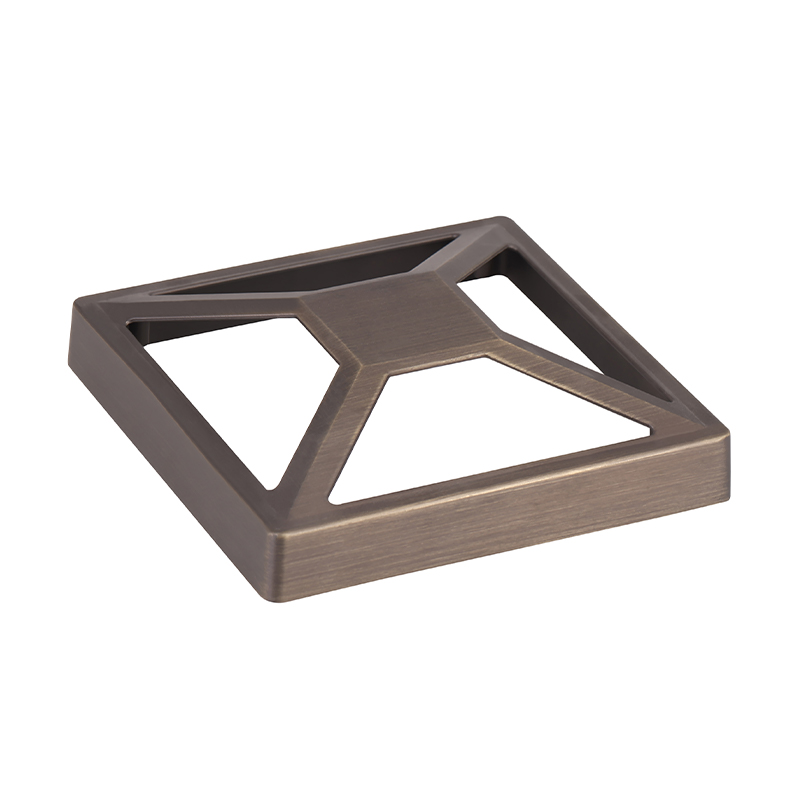
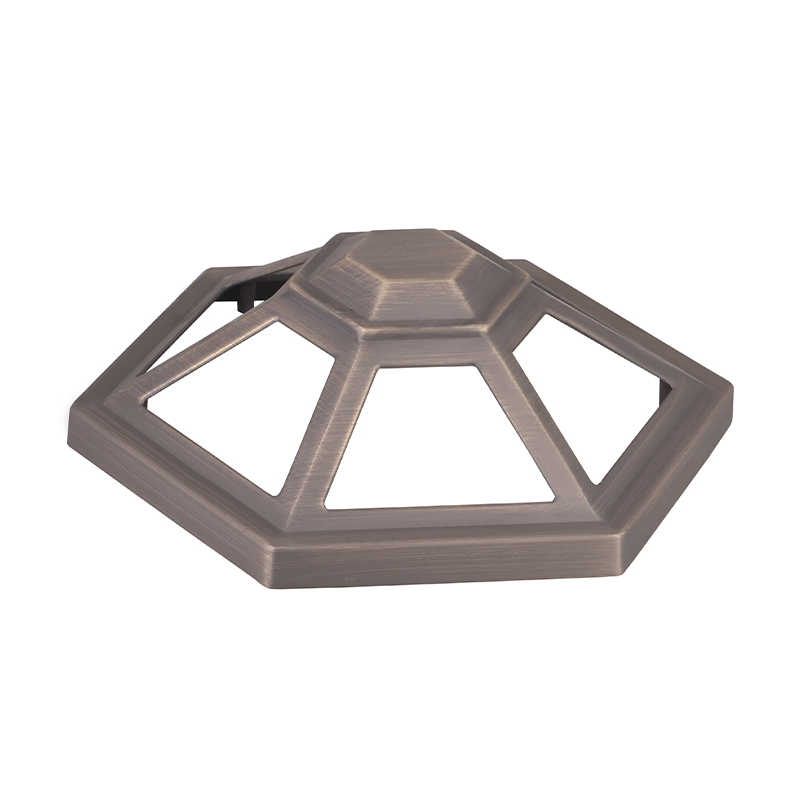
Bespoke Design & Artistry: Bronze casting supports extremely complex surface texture expressions. From minimalist linear invisible designs to exotic Moroccan tile patterns, or even covers engraved with family crests or custom logos. Designers can treat the floor drain as a miniature sculpture, integrating it into the overall floor pattern or tile layout, making this originally awkward outlet a crowning artistic detail of the space.
What Key Details Should Be Noted During Installation and Maintenance?
Product quality is only 30% of the equation; the other 70% is installation. For heavy hardware like the Bronze Strainer Floor Drain, standard construction techniques and scientific maintenance are prerequisites for peak performance.
How to Ensure Sealing and Odor Prevention During Installation?
The essence of a floor drain is isolation. If installed improperly, it becomes a channel for water leakage through the slab and for sewer odors to enter the room.
-
Advanced Trap Technology: The bronze body is just the shell; the real odor-prevention function depends on the internal "core." Precise selection is needed for different living environments. In frequently used shower areas, "Deep Water Seal" technology is recommended, utilizing physical water pressure to completely block odors and insects. In guest bathrooms or northern heated rooms where water might evaporate easily, a "T-type Dry Seal" with magnetic or gravity control must be used. This composite structure ensures the bathroom air remains fresh under any climate conditions.
-
Waterproofing Flange Integration: This is key to preventing leaks. High-end bronze drains usually come with a wide, integrally cast flange. When laying the waterproofing layer, workers must ensure that the flexible waterproof coating completely covers the edge of the flange and is embedded with sealing mesh. This effectively prevents moisture from seeping down along the edge of the drain after it penetrates the tile gaps into the mortar layer. This structured waterproofing is the ultimate solution to prevent complaints from downstairs neighbors and the "musty smell" in the bathroom.
How to Perform Professional Maintenance?
Discoloration is the nature of bronze, but controlled discoloration is aesthetics, while uncontrolled discoloration is damage. Understanding the chemical properties of bronze helps maintain its peak visual state.
-
Coating vs. Patina: Currently, bronze drains have two mainstream surface treatments. One is PVD (Physical Vapor Deposition) coating, which forms an ultra-hard diamond-like film that locks the color in bright gold and never fades; the other is bare polished bronze, which pursues change over time. Homeowners must be clear about their preference. If the latter is chosen, regular application (e.g., every six months) of a small amount of metal wax or specialized maintenance oil can delay the formation of uneven spots and make the oxidation process smoother and more artistic.
-
Avoidance of Harsh Chemicals: This is the most important point in maintenance. Common "strong descalers," "drain cleaners," or tile cleaners containing hydrochloric or dilute sulfuric acid are the enemies of bronze. These corrosive liquids will instantly destroy the oxide layer on the bronze surface, resulting in irreversible black patches or even the production of green "Verdigris" powder. It is recommended to use only mild neutral soapy water for daily cleaning, paired with a microfiber cloth. For stubborn calcium scales, a small amount of diluted white vinegar can be used, followed immediately by a clean water rinse and drying.
Procurement Trends for Bronze Strainer Floor Drains
With the recovery of global supply chains and consumption upgrades, the market share of bronze drainage hardware is steadily rising. From high-end renovation markets in North America to emerging luxury housing developments in Asia, demand shows diversified characteristics.
Which Industries Have the Highest Demand for Bronze Floor Drains?
Different industries have different focus points, but the versatility of bronze makes it the first choice in several fields.
-
Boutique Hotels & Elder Care: For operators, frequent maintenance and replacement are heavy financial burdens. With its nearly zero breakage rate and excellent antimicrobial properties, bronze drains have become the preferred project choice for long-term operational efficiency. Especially in high-end senior living, the antimicrobial traits of bronze help provide a cleaner bathing environment for the elderly with lower immunity.
-
Historical Conservation: In the renovation of historic buildings in Europe, North America, and even former concession areas in China, conservation authorities have strict requirements for hardware materials. Stainless steel products are often banned due to their excessive modern feel. Bronze drains not only meet the craft standards of a century ago but also offer a century-long life expectancy, aligning with the "sustainability" principle of historic building maintenance.
What Certifications to Look For?
In cross-border procurement, technical standards and material compliance are unavoidable hurdles, especially for metal products involving water and drainage systems.
-
Lead-Free & Environmental Regulations: Although floor drains belong to the drainage system rather than the supply system, high-end bronze products have completely eliminated lead-based formulas in response to global environmental trends, switching to eco-friendly and higher-strength Silicon Bronze. When purchasing, look for California Prop 65 or European REACH certifications to ensure the product does not release harmful heavy metals into the soil or water system.
-
Flow Rate & Mechanical Standards: A qualified 4-inch bronze floor drain must pass ASME A112.6.3 (US standard) or EN 1253 (European standard) testing. These certifications specify not only the maximum drainage volume per unit time but also include compressive strength tests, ensuring the drain remains structurally stable when crossed by wheelchairs or heavy furniture.