Español
 عربى
عربى
 Deutsch
 русский
 Français

Why Stainless Steel Dominates Modern Shower Plumbing
Stainless steel shower faucet fittings have become the preferred choice for residential and commercial bathroom installations due to their exceptional resistance to corrosion, chlorine exposure, and mineral buildup that commonly degrade lesser materials. Unlike brass or zinc alloy alternatives that may contain lead or develop pitting within 3 to 5 years of service, properly specified stainless steel fittings maintain structural integrity and aesthetic appearance for 20 years or more under normal water conditions. The material's non porous surface prevents bacterial colonization and biofilm formation, addressing growing health concerns regarding waterborne pathogens in domestic plumbing systems.
The global market for stainless steel plumbing fittings reached approximately $8.7 billion in 2024, with bathroom applications representing 34 percent of total demand. This growth trajectory reflects both regulatory pressure eliminating lead containing components and consumer preference for durable, low maintenance fixtures. Understanding material grades, connection methodologies, and installation requirements ensures optimal performance and longevity of stainless steel shower faucet fittings in specific water chemistry environments.
Material Grades and Their Performance Characteristics
Not all stainless steel grades perform equally in shower environments where chlorinated water, temperature cycling, and humidity create aggressive corrosion conditions. Grade selection directly impacts service life and maintenance requirements.
Grade 304 Austenitic Stainless Steel
Grade 304 stainless steel, containing 18 to 20 percent chromium and 8 to 10.5 percent nickel, serves as the standard specification for residential shower faucet fittings in most municipal water supply areas. The chromium content forms a passive oxide layer approximately 5 nanometers thick that self heals when damaged, preventing rust formation under normal conditions. This grade offers excellent formability for complex fitting geometries including angled shower arms, multi port diverters, and thermostatic mixing valve bodies.
In soft water environments with total dissolved solids below 150 milligrams per liter, grade 304 fittings demonstrate negligible corrosion rates below 0.002 millimeters per year. However, exposure to chlorides from water treatment, coastal atmospheric conditions, or deicing salt contamination can initiate pitting corrosion in grade 304 when chloride concentrations exceed 200 parts per million in stagnant water conditions.
Grade 316 Marine Grade Stainless Steel
Grade 316 stainless steel incorporates 2 to 3 percent molybdenum alongside 16 to 18 percent chromium and 10 to 14 percent nickel, dramatically improving chloride corrosion resistance. This specification proves essential for coastal installations where salt spray exposure accelerates corrosion, regions with highly chlorinated municipal water exceeding 4 milligrams per liter free chlorine, and applications where fittings contact pool water or spa chemicals. The molybdenum addition increases pitting resistance equivalent numbers (PREN) from approximately 18 for grade 304 to 24 or higher for grade 316.
Commercial shower facilities, healthcare installations, and luxury residential projects increasingly specify grade 316 fittings despite 25 to 35 percent cost premiums over grade 304. The extended service life and reduced replacement frequency justify the initial investment in high use environments where downtime and maintenance access prove costly.
Surface Finish and Aesthetic Considerations
Shower faucet fittings receive various surface treatments affecting both appearance and cleanability. Brushed finishes with Ra 0.4 to 0.8 micrometers roughness average minimize visible water spotting and fingerprint marking, making them popular for contemporary bathroom designs. Mirror polished surfaces below Ra 0.2 micrometers provide maximum reflectivity and ease of cleaning but show water spots more prominently. Physical vapor deposition (PVD) coatings in matte black, brushed gold, or gunmetal gray expand aesthetic options while maintaining stainless steel substrate corrosion resistance.
Electropolishing removes surface iron contamination and enriches chromium concentration at the surface, enhancing corrosion resistance beyond mechanical polishing alone. This treatment proves particularly valuable for fittings in hard water areas where calcium deposits adhere less readily to smooth electropolished surfaces.
| Property | Grade 304 | Grade 316 |
|---|---|---|
| Chromium Content | 18 to 20% | 16 to 18% |
| Molybdenum Content | None | 2 to 3% |
| PREN Value | 18 to 20 | 24 to 26 |
| Chloride Resistance | Moderate | Excellent |
| Relative Cost | Base reference | 25 to 35% premium |
| Typical Service Life | 15 to 20 years | 25 to 30 years |
Fitting Types and Functional Configurations
Shower faucet fittings encompass diverse component types each serving specific functions within the overall plumbing assembly. Understanding these categories enables proper specification and installation planning.
Shower Arms and Extensions
Shower arms connect wall mounted rough in valves to shower heads, available in standard lengths of 150, 200, 300, and 400 millimeters with 1/2 inch national pipe thread (NPT) male connections at both ends. Gooseneck designs elevate shower head positions for taller users while S curved profiles provide aesthetic alternatives. Ceiling mounted shower arms extend 300 to 600 millimeters for rainfall shower head installations, requiring reinforced blocking in ceiling assemblies to support 3 to 5 kilogram combined fixture weights.
Adjustable shower arms incorporate sliding mechanisms allowing height modification without plumbing alterations, beneficial for households with users of varying stature. These fittings require precise machining tolerances to prevent leakage at adjustment joints while maintaining smooth operation after thousands of cycles.
Diverter Valves and Transfer Fittings
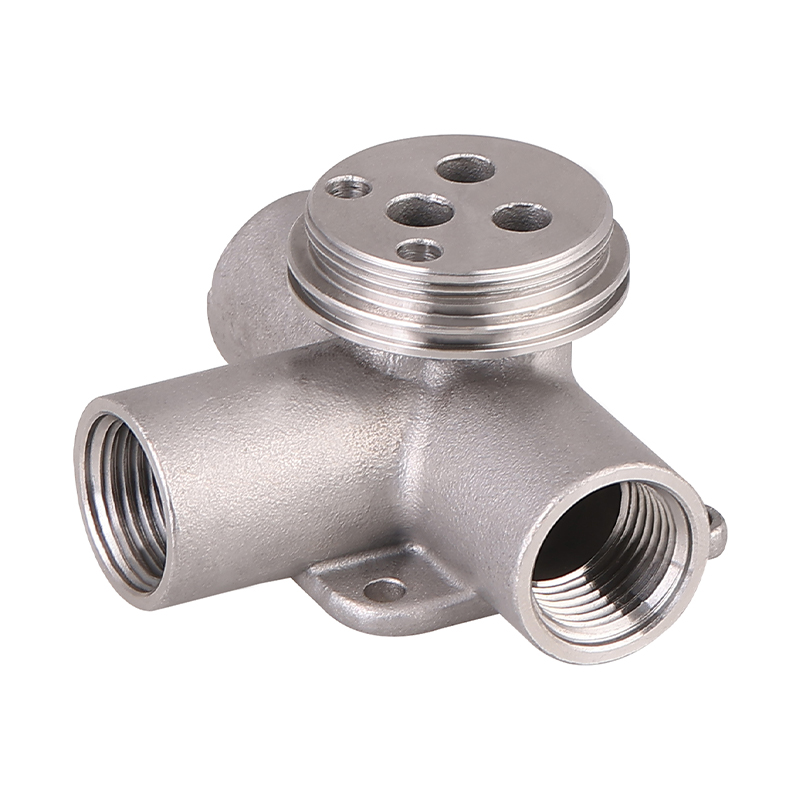
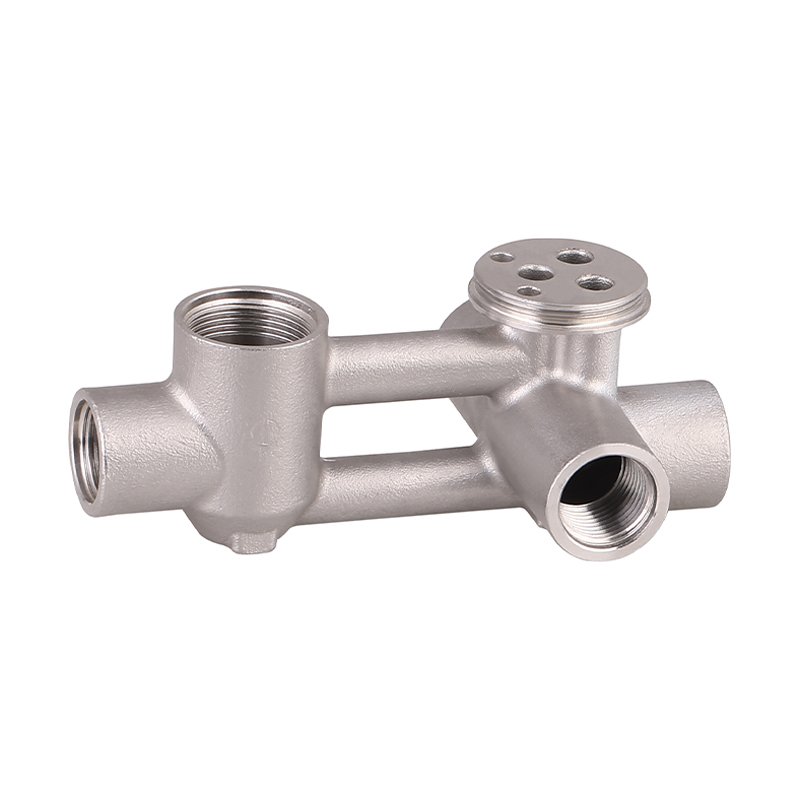
Diverter fittings redirect water flow between shower heads, hand showers, and tub spouts. Two way diverters switch between fixed and handheld shower functions, while three way diverters add body spray or rainfall options. Stainless steel diverter cartridges utilize ceramic disc technology rated for 500,000 cycle lifespans, far exceeding brass alternatives that degrade under chlorine exposure. Proper diverter specification requires flow rate matching; a diverter rated for 15 liters per minute will create excessive back pressure when paired with high flow rainfall heads consuming 25 liters per minute.
Thermostatic and Pressure Balancing Components
Thermostatic mixing valve fittings incorporate wax filled thermal elements responding to temperature changes within 2 seconds, maintaining outlet temperatures within plus or minus 1 degree Celsius despite inlet fluctuations. These fittings prevent scalding when toilet flushing or appliance operation causes cold water pressure drops. Pressure balancing fittings serve similar safety functions through piston or diaphragm mechanisms reacting to pressure differentials rather than temperature directly.
Stainless steel construction of these critical safety components eliminates lead leaching concerns associated with traditional brass valve bodies. The material's thermal stability prevents distortion during hot water exposure that could compromise calibration accuracy in thermostatic elements.
Supply Lines and Flex connectors
Braided stainless steel flex connectors provide final connections between rough in plumbing and exposed fixtures, combining corrosion resistant outer braiding with EPDM or PEX inner cores. These connectors accommodate slight misalignments between wall penetrations and valve inlets, simplifying installation in renovation projects. Standard lengths range from 300 to 1500 millimeters with 1/2 inch or 3/8 inch compression or NPT end fittings. Burst pressure ratings typically exceed 100 bar, providing substantial safety margins over normal operating pressures of 2 to 5 bar.
Connection Methods and Installation Standards
Proper installation techniques ensure leak free operation and preserve stainless steel corrosion resistance throughout the fitting lifecycle.
Threaded Connections and Sealant Selection
National pipe thread (NPT) tapered connections remain standard for shower faucet fittings in North American installations. Thread sealant selection critically impacts joint integrity and water quality. PTFE tape applied with 2 to 3 wraps in the thread direction provides adequate sealing for most applications. Anaerobic thread sealants cure in the absence of air between metal surfaces, offering superior chemical resistance and vibration resistance compared to tape alone.
Avoid over tightening threaded stainless steel connections into brass or copper fittings. Stainless steel's higher hardness can deform softer mating threads, creating leak paths that worsen with thermal cycling. Hand tightening plus 1 to 2 turns with a wrench typically achieves adequate seal without thread damage. Excessive torque beyond manufacturer specifications risks cracking female fitting bodies or stretching male threads beyond elastic limits.
Compression Fitting Assembly
Compression fittings utilize brass or stainless steel ferrules compressed against tubing by tightening nuts. For stainless steel shower fittings, compression connections suit supply line terminations and valve inlet connections. Proper assembly requires square tubing cuts, deburring of sharp edges that could score ferrules, and gradual nut tightening to specified torque values. Over tightening crushes ferrules excessively, reducing future disassembly capability and potentially splitting fitting bodies.
Soldering and Brazing Considerations
While stainless steel fittings rarely require soldering in shower applications, transitions to copper plumbing may involve brazed joints. Silver brazing alloys with melting points below 750 degrees Celsius prevent chromium carbide precipitation in grade 304 and 316 materials. Post brazing passivation restores the protective oxide layer compromised by high temperature exposure. Never use lead based solders in potable water connections due to toxicity regulations and corrosion susceptibility.
Water Quality Compatibility and Maintenance
Local water chemistry significantly influences stainless steel fitting performance and maintenance requirements. Understanding these interactions enables proactive care strategies.
Hard Water and Limescale Management
Water hardness exceeding 200 milligrams per liter as calcium carbonate promotes limescale deposition on shower fittings, particularly at spray nozzles and aerator screens where evaporation concentrates minerals. While limescale does not corrode stainless steel directly, heavy deposits can trap moisture against surfaces and obscure developing corrosion sites. Regular cleaning with diluted white vinegar or commercial descaling agents prevents buildup. Avoid abrasive scrubbers or chlorine bleach based cleaners that scratch surfaces or initiate pitting.
Chlorine and Chloramine Effects
Municipal water disinfectants at typical concentrations of 0.5 to 2 milligrams per liter do not threaten grade 304 or 316 fittings under continuous flow conditions. However, stagnant water in seasonal properties or infrequently used guest bathrooms allows chlorine concentration at air water interfaces, accelerating crevice corrosion in threaded joints and gasket grooves. Periodic flushing of unused fixtures and draining of seasonal properties mitigates this risk. Chloramine disinfection, increasingly replacing free chlorine in distribution systems, proves less aggressive toward stainless steel than chlorine gas treatment.
Galvanic Corrosion Prevention
Connecting stainless steel fittings directly to copper plumbing creates galvanic couples where the more noble stainless steel accelerates copper corrosion. Dielectric unions or insulating gaskets break this electrical connection while maintaining hydraulic continuity. In mixed metal installations, ensure copper components are downstream of stainless steel to prevent copper ion deposition on stainless surfaces, which can initiate pitting under chloride exposure. Brass fittings interposed between stainless steel and copper provide intermediate galvanic potential reduction.
Quality Verification and Certification Standards
Reputable stainless steel shower faucet fittings carry certifications verifying material composition, pressure ratings, and potable water safety compliance.
Material Certification and Traceability
Mill test reports (MTRs) document chemical composition and mechanical properties for stainless steel raw materials. For critical applications, positive material identification (PMI) testing using X ray fluorescence spectroscopy confirms grade specifications at finished fitting surfaces. Reputable manufacturers maintain material traceability linking finished products to specific material heats and production batches.
Pressure and Performance Ratings
Shower faucet fittings must withstand hydrostatic test pressures of 1.5 times maximum working pressure, typically 15 bar for systems operating at 10 bar maximum. Burst pressure ratings provide additional safety margins, with quality fittings exceeding 50 bar burst resistance. Cycle testing validates operational durability, with thermostatic cartridges and diverter mechanisms tested through 100,000 to 500,000 cycles simulating years of daily use.
Potable Water Approvals
North American fittings require NSF/ANSI 61 certification confirming extraction of regulated contaminants below maximum allowable levels. This standard tests fittings under exaggerated exposure conditions to ensure safety margins. European installations require WRAS (Water Regulations Advisory Scheme) approval in the United Kingdom or equivalent national certifications. These approvals verify that stainless steel fittings do not leach chromium, nickel, or other elements at concentrations exceeding 10 micrograms per liter for chromium and 20 micrograms per liter for nickel under test protocols.
Selection Guidelines for Specific Applications
Systematic evaluation of installation environment, usage patterns, and budget constraints ensures appropriate stainless steel shower faucet fitting specification.
Residential New Construction
Standard municipal water supplies in inland areas suit grade 304 stainless steel fittings throughout shower assemblies. Specify PVD coated finishes matching bathroom hardware collections for design cohesion. Include thermostatic mixing valves for family bathrooms where children or elderly users require scald protection. Budget approximately $400 to $800 for complete stainless steel shower fitting sets including valve, arm, diverter, and trim in mid tier residential specifications.
Coastal and Marine Environments
Properties within 5 kilometers of saltwater coastlines experience atmospheric chloride exposure that accelerates corrosion of grade 304 fittings, particularly on exterior shower fixtures and poorly ventilated interior bathrooms. Specify grade 316 for all exposed fittings and consider electropolished surfaces for maximum protection. Increased ventilation or dehumidification reduces airborne chloride accumulation on fixture surfaces between uses.
Commercial and Hospitality Installations
Hotels, fitness centers, and dormitories require fittings engineered for continuous daily use by multiple users. Specify grade 316 throughout for maximum durability and specify vandal resistant fasteners and concealed mounting where tampering risks exist. Flow restricting aerators and shower heads meeting 7.6 liters per minute maximum conserve water while maintaining guest satisfaction. Specify fittings with readily available replacement cartridges and seals to minimize maintenance downtime.
Healthcare and Assisted Living Facilities
Healthcare installations prioritize infection control and user safety. Smooth electropolished surfaces below Ra 0.4 micrometers minimize bacterial adhesion and facilitate disinfection protocols. Thermostatic valves with maximum temperature stops prevent scalding in facilities serving cognitively impaired residents. Anti scald devices responding within 0.5 seconds to pressure fluctuations provide additional protection. Specify lead free construction with full NSF 61 and AB 1953 compliance documentation.
Common Installation Errors and Prevention
Even high quality stainless steel fittings fail prematurely when improperly installed. Awareness of common errors prevents costly callbacks and water damage.
Overtightening threaded connections remains the most frequent installation error. Stainless steel's galling tendency causes threads to seize when dry assembled without lubricant or sealant. Always apply appropriate thread sealant and stop tightening when resistance increases sharply, indicating proper engagement. Using pipe wrenches on finished surfaces damages cosmetic finishes and creates corrosion initiation sites; strap wrenches or padded tools protect surfaces during assembly.
Failure to flush new plumbing before fitting installation allows construction debris and solder flux to lodge in valve cartridges and aerator screens. Flush supply lines at full flow for minimum 5 minutes before connecting sensitive components. Debris induced scoring of ceramic discs or elastomer seals causes premature leakage requiring cartridge replacement.
Inadequate support for heavy rainfall shower heads and extended shower arms creates stress on wall penetrations and eventual loosening. Ceiling mounted fixtures require structural blocking rated for minimum 50 kilograms static load. Wall mounted arms need reinforcement plates behind tile backer board to distribute loads across stud bays. Unsupported installations develop wall cracks and water intrusion paths within 2 to 3 years.
Mixing dissimilar metals without dielectric separation initiates galvanic corrosion invisible until leakage occurs. Inspect all connections in mixed material installations and install dielectric unions where copper transitions to stainless steel. Document fitting locations for future maintenance access, as concealed leaks behind tiled walls cause extensive damage before detection.
Emerging Trends and Future Developments
Stainless steel shower faucet fitting technology continues evolving toward enhanced sustainability, smart functionality, and improved user experience.
Smart shower systems integrate flow sensors and temperature monitors into stainless steel valve bodies, transmitting usage data to mobile applications for leak detection and water conservation tracking. These systems can automatically shut off water flow when leaks exceed 0.5 liters per minute for more than 10 minutes, preventing catastrophic water damage during absences.
Water conservation regulations drive development of ultra low flow shower heads maintaining user satisfaction at 5.7 liters per minute through optimized nozzle geometries and aeration techniques. Stainless steel construction of these precision components ensures long term performance without the plastic degradation affecting polymer alternatives after 2 to 3 years of service.
Antimicrobial surface treatments incorporating copper ion implantation or photocatalytic titanium dioxide coatings on stainless steel substrates promise reduced bacterial colonization between cleanings. These technologies remain in development phases but may become standard specifications in healthcare and food service applications within the next decade.